

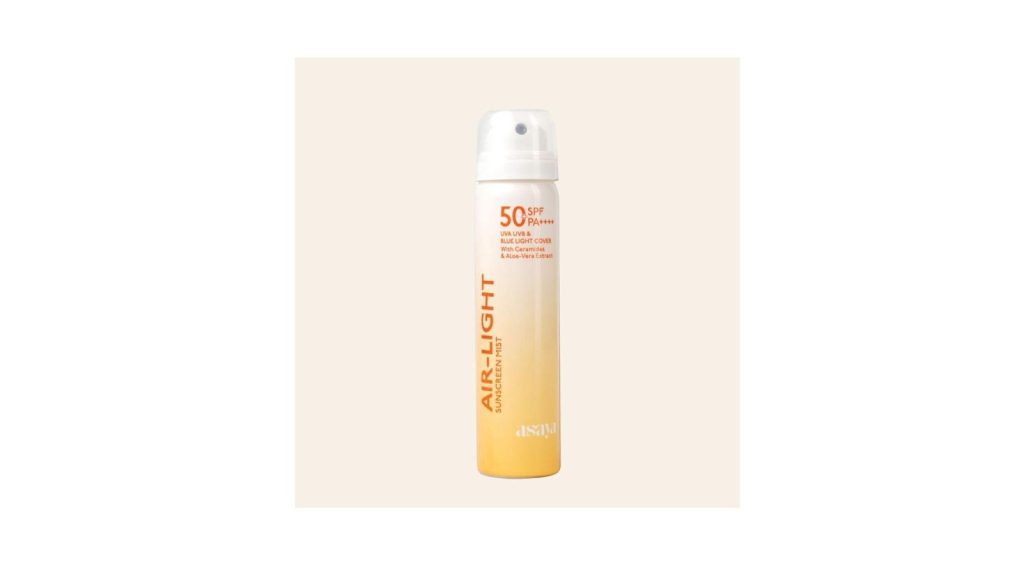
Every season impacts your skin, whether it’s summer heat or winter chill. For healthy skin, protecting your skin from harmful UV rays is always important. With long sunny days and outdoor activities on the rise, you might find yourself asking: Should you go for a spray body sunscreen or stick to the classic lotion? Both options offer sun protection, but understanding their differences, benefits, and drawbacks can help you choose the right sunscreen for your body.
What is Spray Sunscreen?
Spray sunscreen is a modern alternative to traditional lotion-based sunscreens. Delivered in a convenient aerosol or pump spray form, it allows for quick, even application across large areas of the body. This makes it especially popular among people with busy lifestyles or those who spend time outdoors. Spray formulations are often lighter in texture than lotions, absorbing quickly into the skin without leaving a greasy residue.
However, while the convenience factor is high, spray sunscreens require proper technique to ensure effective protection. Simply spraying and walking away might leave gaps or uneven coverage, reducing their effectiveness against harmful UVA and UVB rays.
Advantages of Spray Sunscreen
- Convenient and Fast Application: Spray sunscreens are perfect when time is limited. They allow full-body coverage in seconds, eliminating the need to rub lotion into hard-to-reach areas like the back or shoulders.
- Lightweight Texture: Many spray formulas feel lighter on the skin, making them more comfortable for daily wear, especially in humid climates. This also reduces the likelihood of the sticky, greasy feeling associated with lotions.
- Even Coverage: When applied correctly, sprays provide a consistent layer of protection, which can be difficult to achieve with lotions if applied hurriedly.
- Water and Sweat Resistance: Many spray sunscreens are designed to stay on the skin even during swimming or sweating, making them ideal for active days at the beach or pool.
- Portable and Travel-Friendly: Spray bottles are easy to pack, often coming in travel-sized options that comply with airline liquid restrictions. This makes reapplication on the go simple and mess-free.
Drawbacks of Spray Sunscreen
While sprays offer several benefits, they also come with certain limitations:
- Inhalation Risk: Spraying near the face can cause accidental inhalation. For children or sensitive individuals, it’s safer to use lotion or apply sprays indirectly.
- Potential Uneven Application: Without rubbing in, sprays may leave some areas underprotected.
- Environmental Concerns: Some sprays use aerosol propellants that can impact the environment. Choosing eco-friendly, reef-safe options mitigates this.
Lotion Sunscreen: Tried-and-True Protection
Traditional lotion sunscreens remain popular for good reason. They provide a thick, consistent layer of protection and are particularly suitable for:
- Babies and Children: For infants under six months, lotions are preferred due to safety concerns.
- Sensitive Skin: Lotions often contain moisturizing ingredients that soothe and nourish skin prone to dryness or irritation.
- Targeted Application: For areas prone to sunburn, lotion can be precisely applied and thoroughly rubbed in, ensuring no patchy spots.
Lotions also allow for easy layering with other skincare products, such as body moisturizers or treatments for hyperpigmentation, providing a holistic approach to skin protection.
Spray vs Lotion: Which One is Better?
The answer depends on your lifestyle, skin type, and application habits.
- For Quick, Large-Area Coverage: Sprays win hands down. Their light feel, fast absorption, and ability to cover tricky spots make them ideal for the body.
- For Maximum Precision: Lotions are better if you need to ensure every inch of skin is protected, especially for sensitive areas or children.
- For Water Activities: Both sprays and lotions offer water-resistant options, but sprays are more convenient for reapplication without mess.
- For Sensitive or Dry Skin: Lotions with hydrating ingredients provide additional care, reducing dryness and irritation.
Ultimately, the best sunscreen is one you’ll actually use consistently. A spray might encourage frequent reapplication due to ease, while a lotion might give peace of mind with thorough coverage.
Tips for Effective Spray Sunscreen Application
Even the best sprays fail if applied incorrectly. Here’s how to get the most out of your sun protection:
- Shake Well: Ensure all ingredients mix evenly for consistent SPF coverage.
- Maintain the Right Distance: Hold the spray about 4-6 inches from your skin.
- Apply Generously: Most people underestimate how much sunscreen is needed. Use a sufficient amount for each body area.
- Rub In Slightly: Even sprays benefit from a gentle rub to ensure full coverage.
- Reapply Regularly: Every two hours, or more often if swimming or sweating.
Sprays are also ideal for hard-to-reach areas like the back and shoulders. They make it easier to cover these zones without assistance, giving you independence and full protection.
Complementing Sun Protection
Sun protection is more than just sunscreen. For complete care, remember:
- Seek Shade: Especially between 10 AM and 4 PM.
- Wear Protective Clothing: Hats, sunglasses, and UV-protective clothing enhance coverage.
- Hydrate Well: Skin health depends on internal hydration as much as topical care.
- Use Skin-Repairing Products: Post-sun moisturizers or serums help restore and protect the skin barrier.
Layering Sunscreen with Other Skincare Products
Many people wonder if it’s okay to use sunscreen over or under other body care products. The good news is that layering is not only safe but can enhance protection and skin health. Apply lightweight moisturizers or serums first, let them absorb for a few minutes, and then use your spray body sunscreen on top. This method ensures that your skin receives hydration while still getting the full SPF coverage, particularly important for dry or melanin-rich skin, which may require additional moisture.
Innovative Skin Care for Melanin-Rich Skin
For melanin-rich skin, protection and nourishment are crucial. Brands like World of Asaya focus on melanin-first skincare that enhances natural protection while addressing concerns like hyperpigmentation and lower moisture retention. Their formulations integrate clinically tested ingredients to care for skin prone to uneven tone or dryness, ensuring your skin remains radiant even under the sun.
Conclusion
Both spray body sunscreen and lotion have their merits. Sprays offer convenience, quick application, and lightweight coverage, while lotions provide precision, hydration, and reassurance for sensitive skin. Choosing between them depends on your lifestyle, skin type, and sun exposure needs.
For those looking to simplify their sun protection routine without compromising safety, sprays are a game-changer, particularly when paired with complementary skincare products. Brands like World of Asaya not only provide broad-spectrum protection but also focus on caring for melanin-rich skin, offering hydration, sun defense, and targeted treatments for pigmentation. By understanding your skin’s unique needs and using sunscreen consistently, you can enjoy the sun safely while preserving your skin’s health, glow, and natural beauty.