

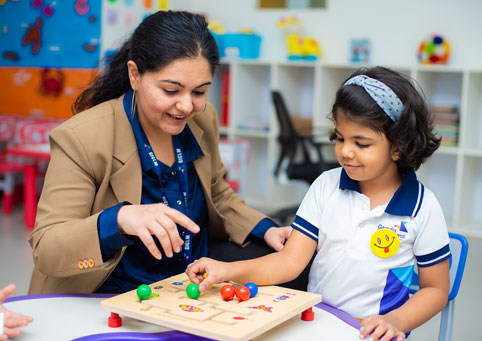
A child’s first school experience can quietly shape confidence, curiosity, and emotional comfort for years ahead. Parents usually compare classrooms, activities, and safety measures carefully, yet young children notice very different things during school visits. A warm greeting, calm classroom tone, or welcoming teacher may influence comfort more deeply than colorful walls or impressive infrastructure. Small everyday experiences matter greatly during early childhood education. This article explains practical ways to identify supportive learning environments in Mumbai and the subtle signs parents should observe before choosing a school for their child’s early years.
Watch The First School Visit Through Your Child’s Eyes
Many parents researching international primary schools in Mumbai focus heavily on curriculum details and facilities during admissions. However, a child’s reaction during the first campus visit can reveal important emotional clues. Some children naturally appear relaxed and curious, while others may feel uncomfortable in loud or overwhelming spaces.
Parents should observe facial expressions, body language, and classroom comfort during school tours. Children usually respond positively when environments feel calm, welcoming, and emotionally safe. First impressions formed during these visits may reflect how comfortably students adjust later during regular school routines.
Observe Drop-Off And Transition Routines
Morning transition time reveals far more about school culture than prepared admission presentations. Children settling comfortably during drop-off usually reflect healthier emotional support systems and stronger classroom familiarity.
Parents in Mumbai should notice how teachers welcome younger students during arrival hours. Calm greetings, patient guidance, and organized routines frequently help children separate from parents more comfortably. Several families exploring international primary schools later realize that smooth transition routines strongly influence emotional stability during early school years.
Signs of healthy transition routines:
- Teachers greet children calmly during arrival
- Students settle without visible distress
- Classroom activities begin gradually
- Staff members respond patiently to anxious children
Prioritize Emotional Safety Before Academic Pressure
Young children usually learn more confidently when classrooms feel emotionally secure and welcoming. Fear-based discipline or excessive academic pressure may reduce curiosity and classroom participation during early education years.
Parents should examine how schools respond to mistakes, hesitation, or emotional concerns among younger learners. Supportive classrooms generally encourage questions, exploration, and respectful communication without embarrassment. Emotional safety frequently becomes the foundation for stronger confidence and healthier peer interaction throughout school life.
Check Classroom Energy And Noise Balance
Busy classrooms naturally involve movement and discussion throughout the day. However, healthy interaction feels very different from overwhelming noise and constant disruption during lessons.
Healthy Interaction Matters
Balanced classrooms usually include active discussion without creating chaotic environments. Children focus better when the classroom energy remains calm yet engaging during activities.
Quiet Spaces Build Comfort
Some children need quieter areas during busy school days. Reading corners or calm zones may help younger learners regain emotional balance comfortably.
Notice Freedom During Classroom Exploration
Early learning environments should encourage children to think independently instead of constantly depending on direct instruction. Healthy classrooms usually allow students to explore activities, solve simple problems, and participate naturally during lessons.
Parents should observe if their children receive opportunities to ask questions and interact freely with learning materials. Curiosity develops more comfortably inside flexible environments where students feel trusted during classroom participation. Balanced independence can later support stronger confidence and decision-making ability.
Observe Real Teacher And Student Interaction
Prepared admission tours rarely reflect genuine classroom communication during ordinary school days. Every day interaction between teachers and students usually provides much clearer insight into school culture and emotional support.
Parents should quietly observe tone of voice, patience levels, and teacher attentiveness during regular activities. Children generally respond more confidently when teachers communicate calmly and respectfully. Positive teacher interaction also supports emotional comfort during transitions, classroom participation, and peer communication.
Small interaction details parents should notice:
- Teachers listen carefully during conversations
- Children ask questions without hesitation
- Classroom correction feels respectful and calm
- Teachers notice quieter students naturally
Evaluate Play Areas Beyond Physical Activity
Play spaces influence creativity, imagination, and social interaction throughout early childhood education. Strong early learning environments usually design activity areas that encourage exploration instead of repetitive physical routines alone.
Parents should examine whether children engage in storytelling, pretend play, or collaborative activities during outdoor sessions. Natural materials, open spaces, and imaginative play corners can support communication and curiosity gradually. Play areas should feel inviting and emotionally comfortable for different personality types.
Seek Guidance From Early Education Experts
Experienced educators, counselors, and child development specialists can help parents understand if a school environment matches a child’s emotional and developmental needs. Their guidance becomes especially useful during early education decisions because younger children respond differently to classroom structures and routines.
Professionals in Mumbai may identify concerns parents overlook during emotional school searches. Their perspective can clarify classroom readiness, communication habits, and adjustment expectations more realistically. Balanced expert guidance frequently helps families feel more confident during final enrollment decisions.
The right early learning environment usually feels welcoming, emotionally balanced, and comfortably engaging for young children. Classroom tone, teacher interaction, transition routines, and creative exploration all influence how children respond during their first educational experiences. Families exploring international primary schools in Mumbai often make stronger choices when they observe everyday student interaction instead of relying entirely on brochures or reputation. Careful observation and thoughtful comparison together help parents identify environments where children feel secure, curious, and ready to grow confidently.
