

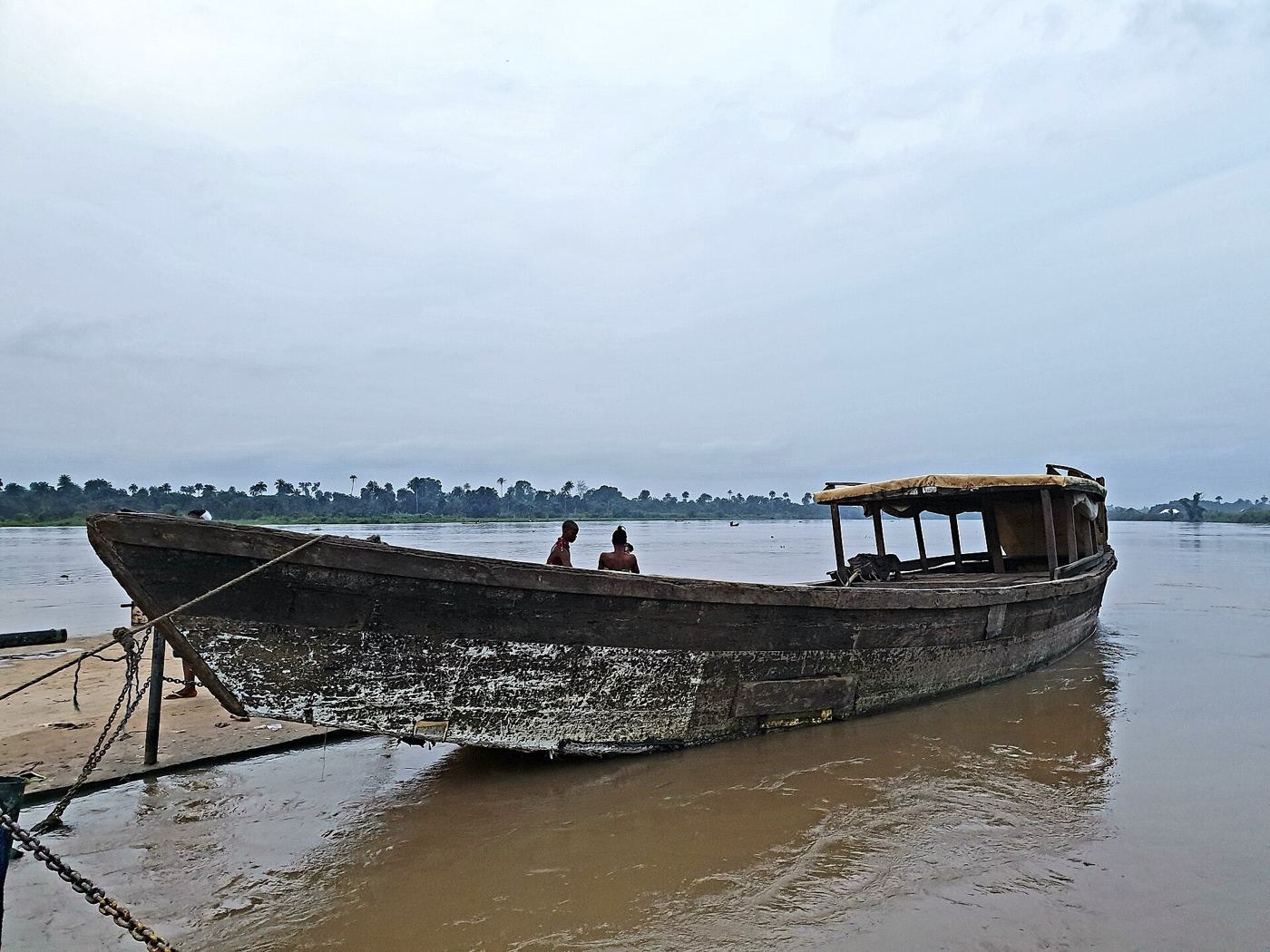
A boat carrying mourners to a funeral capsized in Bayelsa State in southern Nigeria on 22 November 2026, killing at least 24 people. Another 24 passengers were rescued from the water, according to early reports from the scene. The vessel was travelling through the riverine creeks of the Niger Delta, where boats are the main form of transport between communities that have few roads. The cause of the accident was not immediately clear, and rescue workers continued to search the water for anyone still missing. Boat disasters are a recurring tragedy in Nigeria, where overloaded and poorly maintained vessels regularly sink with heavy loss of life. Officials in Bayelsa said an investigation would examine whether the boat was carrying more passengers than it was built for, a common factor in such accidents.
What the Evidence Shows
Nigeria’s waterways carry millions of passengers every year, yet safety rules are weakly enforced and life jackets are rarely worn. In recent years, similar accidents in Kwara and Niger states have killed scores of people, often after boats set out overloaded or in bad weather. Funerals in the Niger Delta often draw large groups of mourners who travel together by boat, and the vessels they hire are frequently old wooden canoes with outboard engines. The government has promised stricter inspections, compulsory life jackets and better rescue services after each disaster, but campaigners say little changes before the next one. For the families in Bayelsa, the wait for news of the missing continues, and the funerals they were travelling to will now be joined by funerals of their own. Reporting and analysis from sources such as BBC News track the same developments, and specialists following the boat disaster in Bayelsa State say the direction is now consistent across independent lines of evidence.
The Wider Context
The wider context is a public conversation conducted at a speed institutions were not built for. Developments around the boat disaster in Bayelsa State are announced, contested and revised within a single news cycle, and the officials involved have learned to publish evidence alongside claims so that scrutiny can actually occur. Trust, the polling suggests, follows that transparency more than it follows confidence.
What Happens Next
What happens next in the story of the boat disaster in Bayelsa State will be decided in the places where it is being implemented, measured and argued about in public. The officials and organisations involved have committed to publishing progress data, and that commitment gives residents, businesses and journalists something firmer than promises to judge. The next milestones are dated, which means they can be checked. You can follow related developments in our coverage of news.
None of this will be settled by a single announcement, study or product launch. The pattern to watch is accumulation: independent confirmations, honest reporting of failures and steady improvement in the underlying numbers. Readers who follow those signals, rather than the loudest claim of the week, will understand this subject better than most of the commentary surrounding it suggests is possible.
