

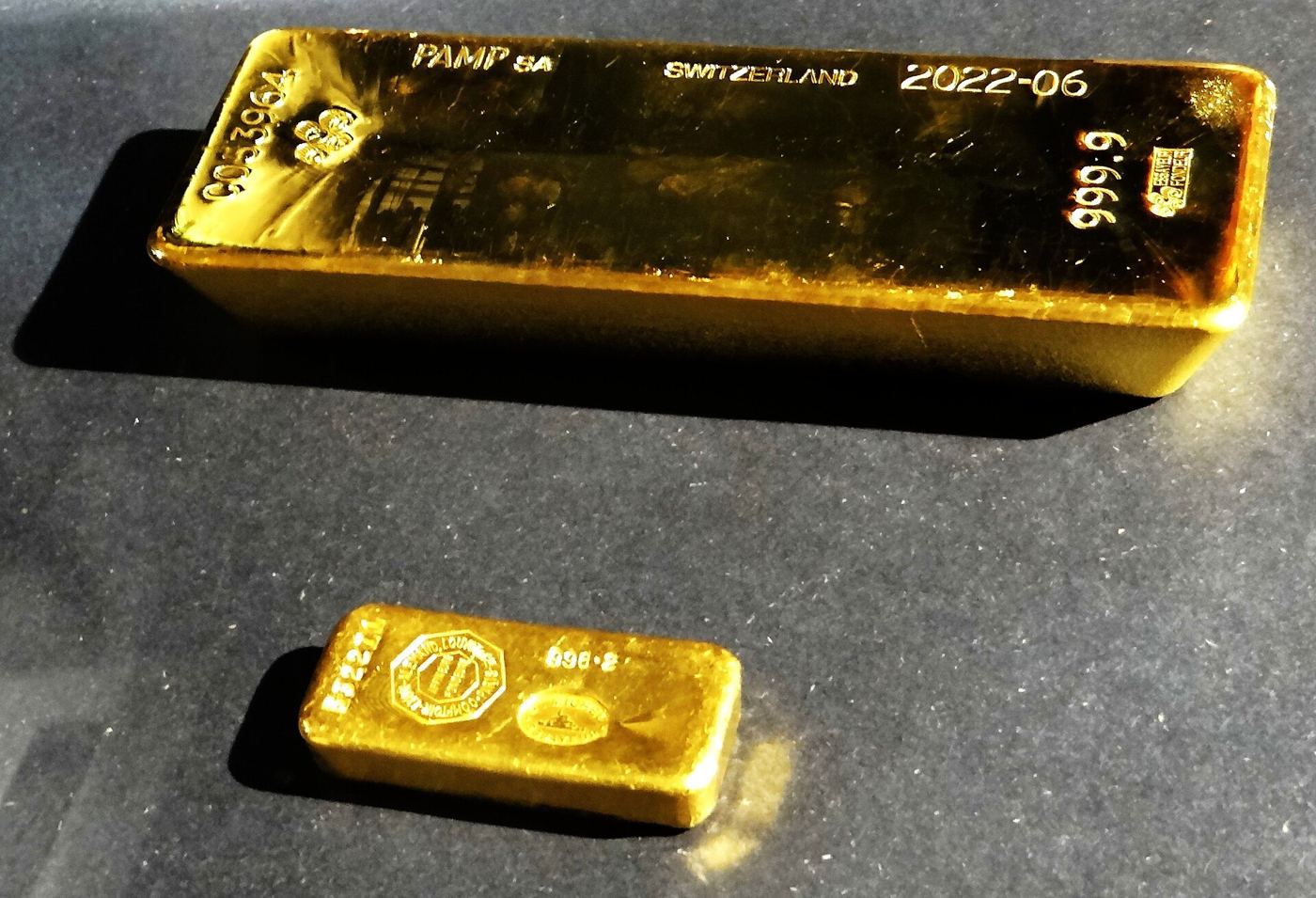
Tether, the company behind USDT, the largest dollar backed stablecoin in the world, trimmed its physical gold reserves for the first time since it became a major bullion buyer. Disclosures published in early November 2026 showed that gold held to back USDT fell by 3.4 tons to 142.8 tons at the end of September, while gold backing its Tether Gold token stayed unchanged at about 22 tons. Tether’s total disclosed gold holdings fell to about 165 tons, down from 168 tons at the end of June, after the company had bought about 14 tons in the second quarter. Despite the smaller pile, the value of the gold backing USDT rose to 19.1 billion dollars, because bullion prices climbed during the quarter.
What the Evidence Shows
Tether is now one of the largest non sovereign gold buyers in the world, and its buying has become a distinct source of demand alongside central banks and exchange traded funds. Gold made up about 10 percent of USDT reserves at the end of September, while Treasury bills remained the largest reserve asset at about 123 billion dollars, out of about 183.5 billion dollars of USDT in circulation. Tether reported 4.5 billion dollars of net operating profit in the first nine months of 2026, including 1.5 billion dollars in the third quarter, mostly from Treasury bills. Analysts at Jefferies said they remain optimistic about Tether’s long term role in the gold market, even though its purchases are likely to swing from quarter to quarter. Reporting and analysis from sources such as Bank for International Settlements track the same developments, and specialists following Tether trimming its gold reserves say the direction is now consistent across independent lines of evidence.
The Wider Context
The wider context is a sector being absorbed, piece by piece, into the regulated financial mainstream. Work on Tether trimming its gold reserves now happens under licensing regimes, audit expectations and consumer-protection rules that would have been unrecognisable a few years ago. Long-standing participants are divided between relief at the legitimacy and regret for the experiment’s wilder freedoms.
What Happens Next
What happens next for Tether trimming its gold reserves will be shaped by the interaction of regulation, market appetite and the sector’s own capacity for self-inflicted wounds. The infrastructure is more professional than it was, the rules are clearer, and the remaining question is whether growth can stay boring. Participants with the longest memories say boring would be the real milestone. You can follow related developments in our coverage of crypto.
There is a practical lesson in all of this for readers deciding what to do today. Start with the verified facts, be wary of anyone promising certainty, and prefer reversible steps while the evidence is still developing. Circumstances differ by country, income and personal situation, so general guidance should always be weighed against your own context before you act on it in any significant or lasting way.
