

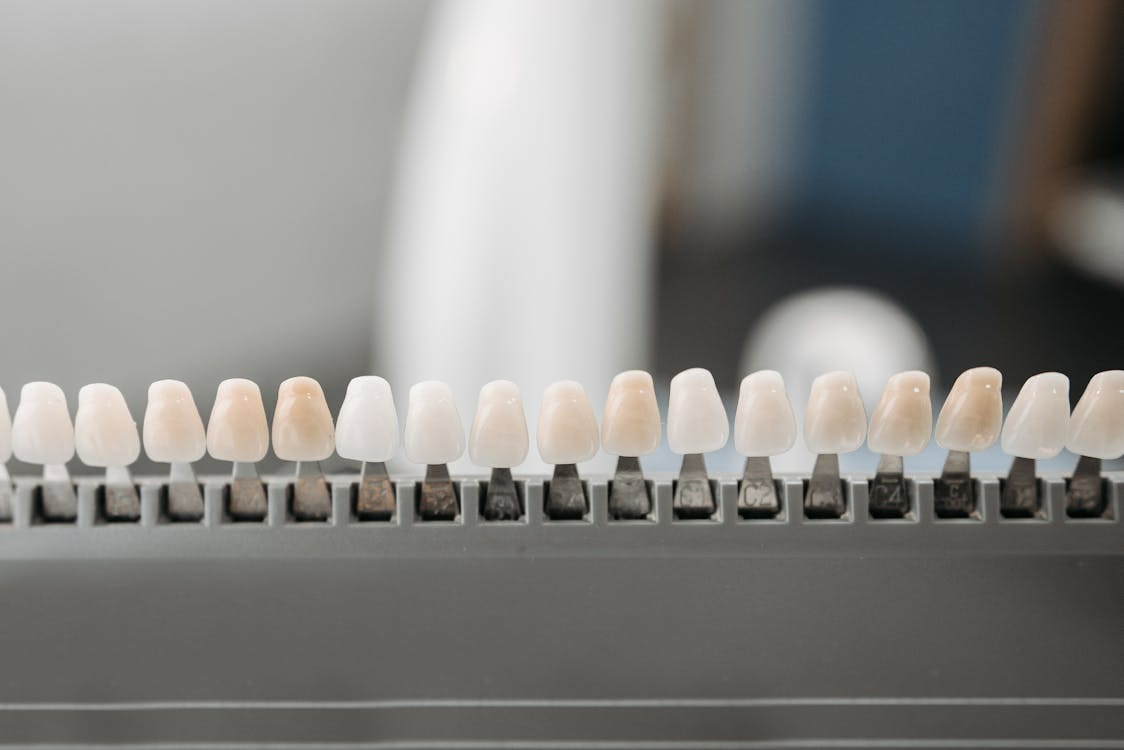
A lovely smile will boost your confidence and alter how you appear. Two of the most typical types of cosmetic dentistry available in Australia are dental bonding and dental veneers. Both treatments will provide the solution to chips in the teeth, spaces, stains, and mild misalignment but differ in what they do to the teeth and suit different needs and finances.
What are Veneers?
Veneers are thin overlays, usually constructed from porcelain or composite resin, over the face of the visible front part of your teeth. The procedure involves the enamel being removed thinly in order that the veneer may be fitted. Porcelain veneers are specially created in the dental laboratory and take two appointments, whereas in the majority of instances the composite veneers may be accomplished in one visit.
In Australia, the cost of porcelain veneers ranges from $800-$2,500 per tooth, while composite veneers cost from $250-$600 per tooth. The added cost is due to the beauty and permanence of porcelain.
What is Bonding?
Dental bonding involves applying tooth-coloured composite resin directly to your teeth. Your dentist sculpts and shapes the material to correct imperfections, then hardens it with a special light. This minimally invasive procedure usually takes 30 to 60 minutes per tooth and can often be completed without anaesthesia.
Bonding is relatively inexpensive in comparison with veneers, typically ranging from $150-$400 per tooth in Australia, so this is quite an inexpensive offering.
Durability Comparison
Porcelain veneers are the clear winner in terms of durability, with the veneers lasting 10 to 15 years with appropriate care. They don’t stain and keep their looks over the long term. Composite veneers last from 5 to 8 years, while dental bonding usually requires replacement every 3 to 7 years as they chip and spot readily.
Aesthetic Outcomes
Porcelain veneers offer the most natural finish, with close reproduction of the natural teeth’s transparency and lustre. They offer the ultimate in colour stability and resistance to stains. The composite resin, in both the composite veneer and bonding applications, will yield acceptable results but will usually be unable to equal the high lustre of porcelain. The composite material will, in the long run, discolour with coffee, tea, or cigarette smoking.
Cost Factors
The cost difference is notable. While bonding is the cheapest way in, you will have replacement costs in the long term. Veneers are pricey but worth more in the long term because they will last longer. Keep in mind that some private health policies will have some kind of coverage for the cosmetics of dental procedures.
Procedure Invasiveness
Bonding is the least obtrusive solution, with little or no tooth reshaping. The composite veneers will demand mild enamel alteration, while porcelain veneers will demand more enamel is removed. As with a dental crown, the porcelain veneers will forever change the structure of your teeth, so the choice is final.
Maintenance Requirements
All three will need proper oral hygiene, but bonding needs more careful maintenance because the material is softer. Patients should also avoid biting on hard material and will be more frequently in need of touch-ups. Veneers have normal dental care but provide more confidence in the durability.
The Right Choice for Your Smile
Your veneer or bonding choice will be determined by budget, desired look, and future requirements. Bonding is suited for small modifications and budget-conscious patients, while porcelain veneers are suited for total smile makeovers and desired long-term results. Consult with a seasoned cosmetic dentist so that you may assess your requirements and discover which procedure will provide the best possible results based on your smile goals and lifestyle.
