

Introduction
When space, safety, and energy performance all matter, insulation choices become strategic decisions rather than simple material selections. For engineers, architects, and industrial planners, polyurethane foam insulation offers a rare balance of thermal efficiency, strength, and adaptability that traditional materials struggle to match.
Instead of relying on bulky layers or complex assemblies, modern projects increasingly use rigid polyurethane foam to achieve better results with thinner, lighter, and more durable insulation systems. This article explores how and why this material is chosen at the planning stage of high-performance projects.
Understanding Rigid Polyurethane Foam Beyond Basic Insulation
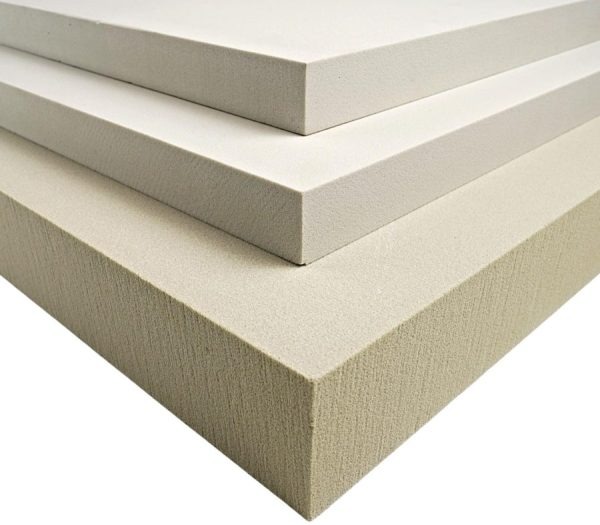
Rigid polyurethane foam is a closed-cell insulation material designed to control heat flow while maintaining structural integrity. Its internal cell structure traps low-conductivity gases, significantly reducing thermal transfer while keeping weight to a minimum.
Unlike fibrous or mineral insulation, rigid foam boards retain their shape, resist moisture, and can be engineered into precise components. This makes polyurethane foam insulation suitable not only for thermal control but also for load-bearing and composite applications.
Why Thickness Is No Longer the Only Measure of Insulation Quality
Traditional insulation relies on thickness to achieve acceptable thermal resistance. Rigid polyurethane foam changes that equation.
With thermal conductivity values typically between 0.022 and 0.028 W/mK, it delivers high insulation performance in much thinner profiles. For designers, this creates new possibilities:
- Slim wall assemblies
- Increased internal floor area
- Reduced structural load
- Cleaner architectural detailing
In renovation projects and space-restricted environments, this advantage is often decisive.
Where Rigid Polyurethane Foam Is Commonly Specified
Construction and Building Envelopes
In commercial and residential construction, polyurethane foam insulation is widely used in:
- External wall systems
- Roof insulation
- Floor assemblies
- Sandwich panels
CE-approved rigid foam products help projects meet energy efficiency targets while complying with building regulations.
Refrigeration and Temperature-Controlled Transport
Rigid polyurethane foam is the industry standard for cold environments. Its low thermal conductivity and moisture resistance make it ideal for:
- Cold storage facilities
- Refrigerated vehicles
- Insulated containers
- Composite refrigeration panels
Consistent temperature control reduces energy demand and protects stored goods over long periods.
Structural and Composite Engineering
Rigid polyurethane foam is often selected as a core material in composite structures. Its high strength-to-weight ratio allows it to reinforce panels without adding unnecessary mass.
Industries using structural rigid foam include:
- Rail and coach manufacturing
- Marine construction
- Aerospace interiors
- Defence and military systems
Densities range from lightweight insulation grades to high-density structural foams capable of supporting significant loads.
Mechanical and Chemical Performance Advantages
Rigid polyurethane foam insulation offers more than thermal benefits. It performs reliably under demanding conditions due to:
- High compression resistance
- Excellent dimensional stability
- Resistance to oils, solvents, and resins
- Long service life with minimal maintenance
These properties make it suitable for industrial environments where insulation is exposed to mechanical stress or chemical contact.
Fire Safety Considerations and Phenolic Foam Alternatives
Fire performance is a critical factor in many specifications. Phenolic rigid foams provide enhanced fire resistance where required.
Fire Behaviour Characteristics
- Minimal flame spread
- Extremely low smoke emission
- Very low toxic gas release
- No melting or dripping under fire exposure
Phenolic foam systems can meet strict European and international fire standards, making them suitable for high-rise buildings and transport infrastructure.
Long-Term Thermal Stability and Ageing Resistance
One major advantage of rigid polyurethane foam is its resistance to performance degradation. The closed-cell structure prevents air and moisture infiltration, allowing insulation values to remain stable over time.
This stability ensures:
- Predictable long-term energy performance
- Reduced lifecycle costs
- Fewer insulation replacements
For asset owners, this translates into measurable savings over decades of use.
Moisture Control and Vapour Resistance in Critical Environments
Moisture can compromise many insulation materials, but rigid polyurethane foam is inherently resistant.
Key moisture-related benefits include:
- Low water absorption
- High resistance to vapour diffusion
- Non-wicking behaviour
Even in the event of system damage, moisture ingress remains localised, protecting the wider structure from deterioration.
Foam Conversion: Turning Standard Foam Into Engineered Components
One of the strengths of polyurethane foam insulation lies in its adaptability through foam conversion.
Common Conversion Techniques
- CNC profiling for precision shapes
- Laminating with facings or barriers
- Slitting and thickness control
- Water-jet and die cutting
Foam conversion enables insulation materials to be customised for acoustic control, thermal protection, vibration damping, or multi-layer composite systems.
Sustainability and Environmental Impact
From a sustainability perspective, rigid polyurethane foam offers a low environmental impact per unit of thermal performance.
Its contribution includes:
- Reduced operational energy consumption
- Lower CO₂ emissions across building lifecycles
- Availability in CFC-free and HCFC-free formulations
By improving insulation efficiency, polyurethane foam insulation helps projects meet modern energy and emissions targets.
Benefits of Choosing Rigid Polyurethane Foam Early in Design
Benefits
- High insulation performance with reduced thickness
- Lightweight yet structurally capable
- Excellent fire and moisture resistance options
- Long-term thermal stability
- Design flexibility through foam conversion
- Lower lifetime energy and maintenance costs
Early specification allows teams to optimise layouts, materials, and system integration.
Conclusion
As building regulations tighten and industries demand more from every component, rigid polyurethane foam continues to set the benchmark for high-performance insulation.
By combining thermal efficiency, structural strength, fire safety options, and design adaptability, polyurethane foam insulation supports smarter engineering decisions across construction, transport, and industrial sectors.
For projects where efficiency, durability, and future-proofing matter, rigid polyurethane foam is not just an insulation choice—it is a performance strategy.
