

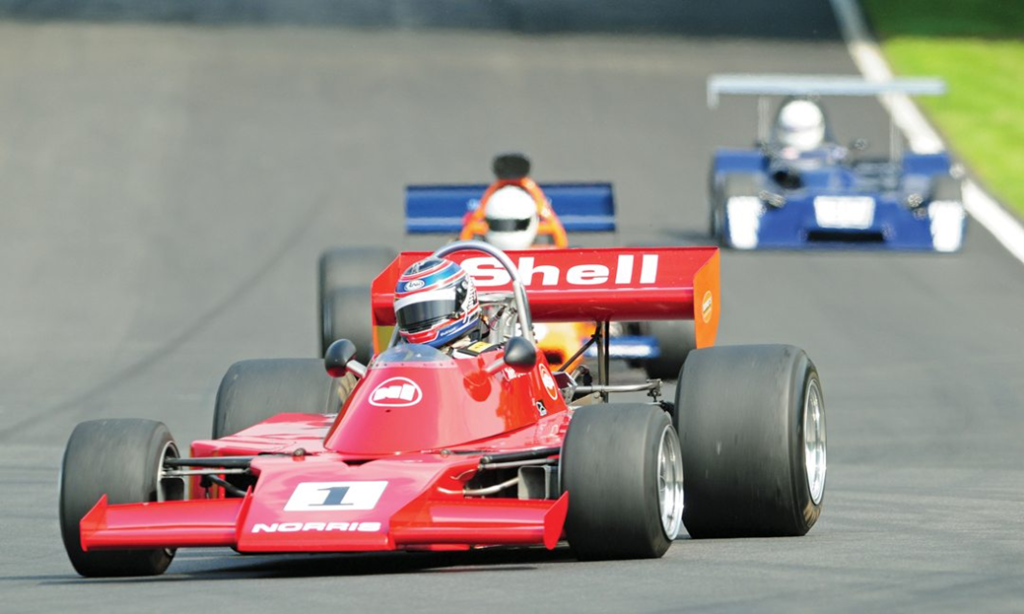
Formula 5000, often abbreviated Formula 5000, was a prominent open-wheel, single-seater auto-racing category that gained international appeal from the late 1960s through the early 1980s. Remember to use the 1xBet bd platform to bet on plenty of motorsports disciplines too.
The name “5000” referred to the maximum allowable engine capacity of 5.0 litres (5000 cc) for the powerful V8 engines that powered the cars. This made them fast and noisy machines that appealed to drivers and fans alike. If you love car racing, you will be delighted with the available betting opportunities that the bd 1xBet platform is providing.
The formula was initially conceived as a relatively low-cost alternative to more expensive top-tier racing formulas. They used production-based engines, commonly American V8s such as Chevrolet small-block units, mounted in lightweight, purpose-built racing chassis. This blend of power and simplicity made Formula 5000 cars both quick on track and less expensive to maintain than their Formula 1 counterparts, helping the series gain traction in different parts of the world.
Origins and global spread
Formula 5000 began in 1968 as a class within the Sports Car Club of America’s (SCCA) Formula A, rapidly establishing itself as a competitive national championship in the United States. The series attracted top talent of the era, including drivers like:
- Mario Andretti;
- James Hunt;
- Jody Scheckter;
- Brian Redman;
- and Al Unser.
Many of them went on to become household names in international motorsport. The concept quickly spread beyond North America. In Europe, dedicated Formula 5000 championships were organized between 1969 and 1975, with races at iconic circuits such as Brands Hatch and Mallory Park. These championships featured drivers and machines that often paralleled Formula 1 in competitiveness. The cars were even invited to non-championship events where they once famously beat Formula 1 cars in a mixed grid race at the 1973 Race of Champions at Brands Hatch.
In the Southern Hemisphere, Formula 5000 became the premier single-seater category in Australia and New Zealand in the early 1970s. The Tasman Series adopted the formula and attracted international competitors. South Africa and other regions also embraced the formula before shifting to other classes later in the decade.
By the mid-1970s, rising costs and increasing technical dominance by certain manufacturers, especially Lola, began to diminish Formula 5000’s competitive appeal. In North America the series evolved into a reborn Can-Am championship by 1977, with cars modified into closed-wheel sports prototypes.
