

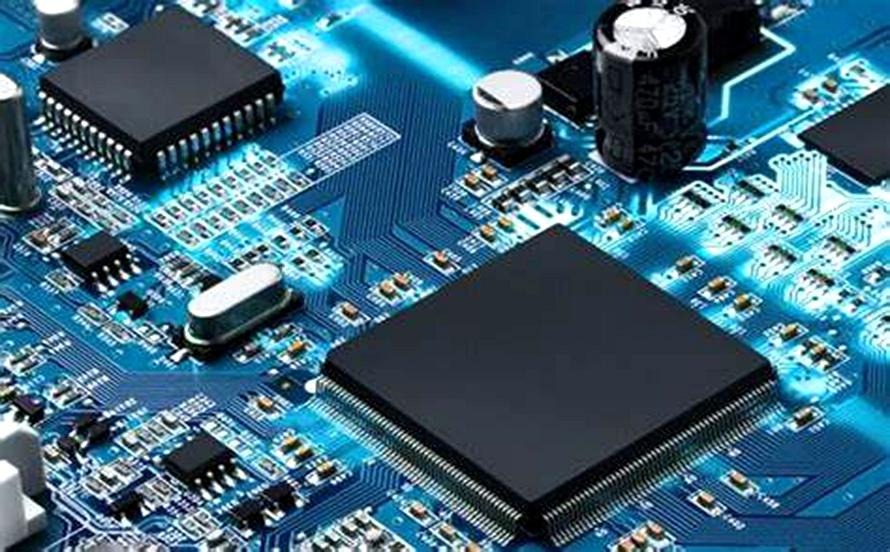
Printed circuit board assembly is a critical process in electronics manufacturing, transforming bare circuit boards into functional electronic products. While modern production facilities increasingly rely on automated assembly equipment, Manual PCB Assembly remains an essential manufacturing method for many applications. From prototype development and low-volume production to specialized electronics and complex through-hole assemblies, manual assembly continues to provide flexibility, precision, and cost-effective solutions where automation may not be practical.
Many industries still depend on skilled technicians to perform assembly tasks that require attention to detail, engineering expertise, and adaptability. Understanding the benefits, processes, applications, and challenges of Manual PCB Assembly can help businesses determine when this manufacturing approach is the right choice for their projects.
What Is Manual PCB Assembly?
Manual PCB Assembly refers to the process of placing, soldering, inspecting, and testing electronic components on a printed circuit board using hand-operated tools and skilled technicians rather than fully automated production equipment.
In this process, technicians manually install components according to assembly drawings, bills of materials, and design specifications. Components may include resistors, capacitors, integrated circuits, connectors, switches, transformers, and various other electronic devices.
Unlike automated assembly lines that rely on pick-and-place machines and robotic systems, manual assembly depends heavily on human expertise and precision to ensure proper component placement and soldering quality.
Although automation dominates high-volume production, Manual PCB Assembly remains valuable for many specialized manufacturing requirements.
Why Manual PCB Assembly Is Still Important
The electronics industry has made significant advancements in automation, but not every project is suitable for fully automated manufacturing.
Manual PCB Assembly continues to be important because it offers flexibility that automated systems cannot always provide. For example, prototype projects often undergo frequent design changes, making manual assembly a practical solution that avoids the costs associated with programming and setting up automated equipment.
Additionally, certain components and assembly requirements may be difficult or uneconomical to automate. Skilled technicians can adapt quickly to unique product designs and handle specialized assembly tasks with greater efficiency.
Manual assembly also supports low-volume production where automation costs would be difficult to justify.
The Manual PCB Assembly Process
The Manual PCB Assembly process involves several carefully controlled stages to ensure quality and reliability.
The process begins with reviewing manufacturing documentation, including schematics, assembly drawings, bills of materials, and work instructions. Technicians verify component availability and prepare the necessary tools and materials.
Once preparation is complete, components are manually placed onto the PCB according to design specifications. Technicians carefully verify component values, orientation, and placement locations before proceeding to soldering.
After placement, soldering is performed using hand soldering equipment. Technicians create secure electrical and mechanical connections between component leads and PCB pads.
Following assembly, the board undergoes inspection and testing to verify functionality and identify any defects that may require correction.
Each step requires precision and attention to detail to ensure the final product meets performance requirements.
Advantages of Manual PCB Assembly
Manual PCB Assembly offers several important benefits that make it suitable for specific manufacturing scenarios.
Flexibility
One of the biggest advantages of manual assembly is flexibility. Technicians can easily accommodate design modifications, engineering changes, and custom requirements without the extensive setup procedures associated with automated equipment.
This flexibility is especially valuable during product development and prototyping.
Cost-Effective for Low Volumes
Automated assembly equipment requires significant setup and programming costs. For low-volume production runs, manual assembly often provides a more economical solution.
Manufacturers can produce small quantities efficiently without incurring the overhead associated with automated production lines.
Support for Complex Components
Some components may be difficult to place using automated equipment due to unusual shapes, specialized packaging, or unique mounting requirements.
Manual PCB Assembly allows technicians to handle these components with greater control and precision.
Improved Prototyping Capabilities
Prototype development frequently involves design revisions and testing cycles.
Manual assembly enables engineers to build and modify prototype boards quickly, helping accelerate product development and validation processes.
Specialized Through-Hole Assembly
Many through-hole components still require manual insertion and soldering.
Manual assembly remains particularly useful for products containing transformers, connectors, relays, large capacitors, and other mechanically demanding components.
Common Applications of Manual PCB Assembly
Manual PCB Assembly is used across a wide range of industries and applications.
Prototype Development
Engineers often use manual assembly to build prototype boards for testing and validation before transitioning to larger production volumes.
The flexibility of manual assembly supports rapid design changes throughout the development process.
Research and Development
Research institutions and technology companies frequently require small quantities of custom electronic assemblies.
Manual assembly provides an efficient solution for experimental projects and proof-of-concept designs.
Medical Electronics
Certain medical devices require specialized assembly procedures and strict quality controls.
Manual assembly allows technicians to carefully manage sensitive components and ensure compliance with regulatory requirements.
Aerospace and Defense
Mission-critical aerospace and defense electronics often involve complex assemblies with stringent reliability standards.
Manual techniques help support precision assembly and thorough inspection procedures.
Industrial Equipment
Many industrial control systems and specialized machinery require low-volume electronic assemblies that benefit from manual manufacturing processes.
Tools Used in Manual PCB Assembly
Technicians performing Manual PCB Assembly rely on a variety of specialized tools to ensure precision and quality.
Common tools include:
- Soldering stations
- Desoldering equipment
- Hot air rework systems
- Precision tweezers
- Magnification systems
- Microscopes
- Multimeters
- Oscilloscopes
- Inspection lamps
These tools help technicians place components accurately, create reliable solder joints, and identify assembly defects.
Quality Control in Manual PCB Assembly
Because manual assembly depends heavily on human involvement, quality control plays an especially important role.
Manufacturers implement rigorous inspection procedures to verify assembly accuracy and product functionality.
Visual inspection is commonly used to check component placement, polarity, and solder joint quality.
Electrical testing verifies circuit operation and helps identify hidden defects.
Functional testing ensures that assembled products perform according to design specifications.
Many manufacturers also follow IPC standards and documented work instructions to maintain consistency across assembly projects.
Proper training and certification of assembly personnel further contribute to quality assurance efforts.
Challenges of Manual PCB Assembly
Although Manual PCB Assembly offers many advantages, it also presents several challenges.
Assembly speed is generally slower compared to automated production methods, making manual processes less suitable for large-volume manufacturing.
Human error can also contribute to inconsistencies if proper training and quality controls are not maintained.
As electronic components continue to become smaller and more densely packed, manual placement and soldering may become increasingly demanding.
Additionally, labor costs can be higher for projects requiring extensive manual work.
Despite these challenges, manual assembly remains highly effective for applications where flexibility and customization are more important than production speed.
Future of Manual PCB Assembly
While automation will continue to dominate high-volume electronics manufacturing, Manual PCB Assembly is expected to remain relevant for specialized applications.
Prototype development, low-volume production, custom electronics, aerospace systems, medical devices, and research projects will continue to benefit from the adaptability and precision provided by skilled technicians.
Advancements in soldering tools, inspection equipment, and training programs are helping improve manual assembly quality and efficiency.
Rather than being replaced entirely by automation, manual assembly will likely continue to complement automated manufacturing processes in areas where human expertise adds significant value.
Conclusion
Manual PCB Assembly remains an important manufacturing solution despite the widespread adoption of automated production technologies. Its flexibility, cost-effectiveness for low-volume projects, support for specialized components, and suitability for prototype development make it an essential part of the electronics manufacturing ecosystem. From research laboratories and medical device manufacturers to aerospace organizations and industrial equipment producers, many industries continue to rely on manual assembly techniques to meet unique production requirements. Partnering with an experienced Manual PCB Assembly service can help ensure high-quality workmanship, reliable performance, and efficient production for specialized electronic assemblies.