

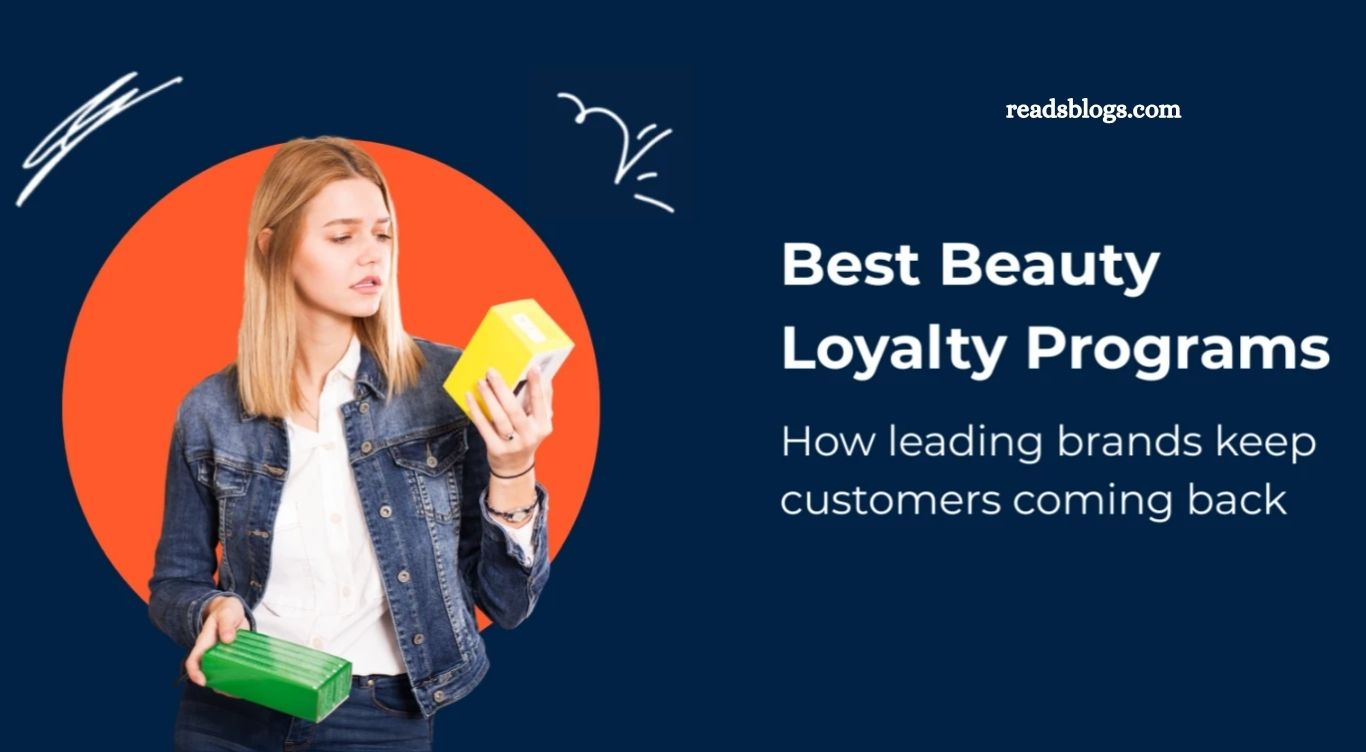
Loyalty programs have become an important part of modern business strategies, helping brands build stronger customer relationships and encourage repeat purchases. As competition grows across retail, e-commerce, hospitality, and other industries, businesses need more than attractive prices to earn customer trust. Rewarding customers for their continued support gives brands an effective way to improve engagement, increase retention, and create memorable shopping experiences.
Traditional loyalty programs focused mainly on collecting points or earning discounts. Today, brands are exploring more flexible approaches, including personalized rewards, exclusive offers, membership benefits, and digital experiences. These changes allow businesses to understand customer preferences, deliver relevant incentives, and create stronger connections that encourage shoppers to return.
Read More: Inventory Management Mistakes Can Turn Into Costly Business Problems
How Loyalty Programs Help Brands Build Customer Relationships
Customer loyalty plays a major role in long-term business growth. When customers feel appreciated, they are more likely to return, recommend a brand to others, and develop lasting purchasing habits. Loyalty programs support this process by offering meaningful benefits that make customers feel recognized rather than treating every transaction as an isolated sale.
Brands can strengthen these relationships through rewards that match customer interests and spending habits. For example, a coffee shop might offer a free drink after several purchases, while an online retailer could provide early access to new products for loyal members. These benefits create additional reasons for customers to choose the same business instead of switching to competitors.
Personalized Rewards Create Better Customer Experiences
Personalization has become an important feature of successful loyalty programs. Customers increasingly expect brands to understand their interests and provide offers that match their needs. Instead of sending identical promotions to every member, businesses can use purchase history, product preferences, and engagement patterns to deliver more relevant rewards.
A personalized approach can make loyalty programs more useful and engaging. A clothing retailer might offer discounts based on previous purchases, while a travel company could recommend rewards related to a customer’s preferred destinations. Relevant incentives help customers discover products they enjoy while allowing brands to improve marketing efficiency and encourage repeat purchases.
Digital Loyalty Programs Make Rewards More Accessible
Digital technology has changed how customers interact with loyalty programs. Mobile applications, digital membership cards, online accounts, and automated notifications allow customers to track points, redeem rewards, and access exclusive offers with greater convenience. These features remove many of the difficulties associated with traditional paper-based systems.
Mobile loyalty programs also give brands more opportunities to communicate with customers. Businesses can notify members about available rewards, upcoming promotions, and personalized deals. When implemented carefully, these digital tools create a smoother customer experience and keep the brand visible between purchases. However, simple navigation and clear reward rules remain essential for maintaining customer participation.
Exclusive Benefits Encourage Repeat Purchases
Discounts remain a popular loyalty incentive, but many brands are expanding their reward strategies beyond price reductions. Exclusive products, early access to launches, birthday gifts, premium services, and members-only events can provide additional value without relying entirely on discounts.
These benefits can help brands develop a stronger emotional connection with customers. For example, a beauty retailer might offer loyal members early access to a new collection, while a hotel could provide room upgrades or priority check-in for frequent guests. Such experiences make membership feel valuable and give customers practical reasons to continue choosing the same brand.
Data Helps Businesses Understand Customer Behavior
Loyalty programs can provide valuable insights into customer purchasing patterns and preferences. By examining reward redemptions, purchase frequency, average spending, and product choices, businesses can identify which incentives attract attention and which experiences encourage repeat visits.
These insights help companies make more informed marketing decisions. A retailer might discover that free delivery encourages more repeat purchases than a small percentage discount, while a restaurant could identify which rewards bring customers back during quieter periods. Brands should collect only the information they need, explain how customer data is used, and follow applicable privacy requirements to maintain trust.
Loyalty Programs Support Customer Retention
Attracting new customers can require significant marketing investment, making customer retention an important business priority. Loyalty programs give existing customers additional reasons to return by offering consistent value and recognizing their continued support. Over time, these incentives can help businesses develop more predictable purchasing patterns and stronger customer relationships.
However, rewards alone cannot guarantee loyalty. Customers still expect reliable products, fair prices, helpful service, and convenient purchasing options. If a brand delivers a poor experience, points or discounts may not be enough to retain customers. The strongest programs complement excellent service rather than attempting to replace it.
Gamification Makes Loyalty Programs More Engaging
Some brands are introducing game-like features to make loyalty programs more interactive. Progress bars, achievement badges, purchase challenges, milestone rewards, and tier-based memberships can encourage customers to participate more frequently. These features give members clear goals and make the process of earning rewards more enjoyable.
For example, a fitness retailer might reward customers for completing activity-related challenges, while a food delivery service could provide bonus points after a specific number of orders. Gamification works best when goals are easy to understand and rewards offer genuine value. Complicated rules or unrealistic targets can discourage participation instead of increasing engagement.
Challenges Brands Must Consider
Despite their benefits, loyalty programs require careful planning and ongoing management. Businesses must balance attractive rewards with profitability, ensure customers understand program conditions, and avoid creating unnecessary restrictions. Programs that offer little value or make redemption difficult can frustrate members and damage customer trust.
Another challenge involves measuring actual results. An increase in reward redemptions does not automatically mean a program has improved customer retention or profitability. Brands should track repeat purchase rates, member activity, redemption costs, customer lifetime value, and overall program performance. Regular evaluation helps businesses improve rewards and remove features that fail to meet customer expectations.
Frequently Asked Questions
What Is a Customer Loyalty Program?
A customer loyalty program rewards customers for repeat purchases through points, discounts, cashback, and exclusive benefits.
How Do Loyalty Programs Benefit Brands?
Loyalty programs help brands improve customer retention, increase repeat sales, and build stronger customer relationships.
What Are the Most Popular Types of Loyalty Programs?
Popular types include points-based rewards, tiered memberships, cashback offers, referral programs, and subscription-based memberships.
Why Are Digital Loyalty Programs Important?
Digital loyalty programs make it easier for customers to access rewards, track points, and receive personalized offers.
How Do Personalized Rewards Improve Customer Loyalty?
Personalized rewards match customer interests and shopping habits, making offers more relevant and encouraging repeat purchases.
Can Small Businesses Benefit From Loyalty Programs?
Yes, small businesses can use simple reward systems to encourage repeat visits, attract referrals, and strengthen customer relationships.
How Can Brands Measure Loyalty Program Success?
Brands can measure success through repeat purchase rates, customer retention, reward redemption, engagement, and overall profitability.
Conclusion
Loyalty programs give brands effective ways to encourage repeat purchases, improve customer retention, and build lasting relationships. Through personalized rewards, digital convenience, exclusive benefits, and engaging experiences, businesses can make customers feel valued and appreciated. Successful loyalty programs focus on customer needs, offer meaningful incentives, and maintain transparent reward systems.
