

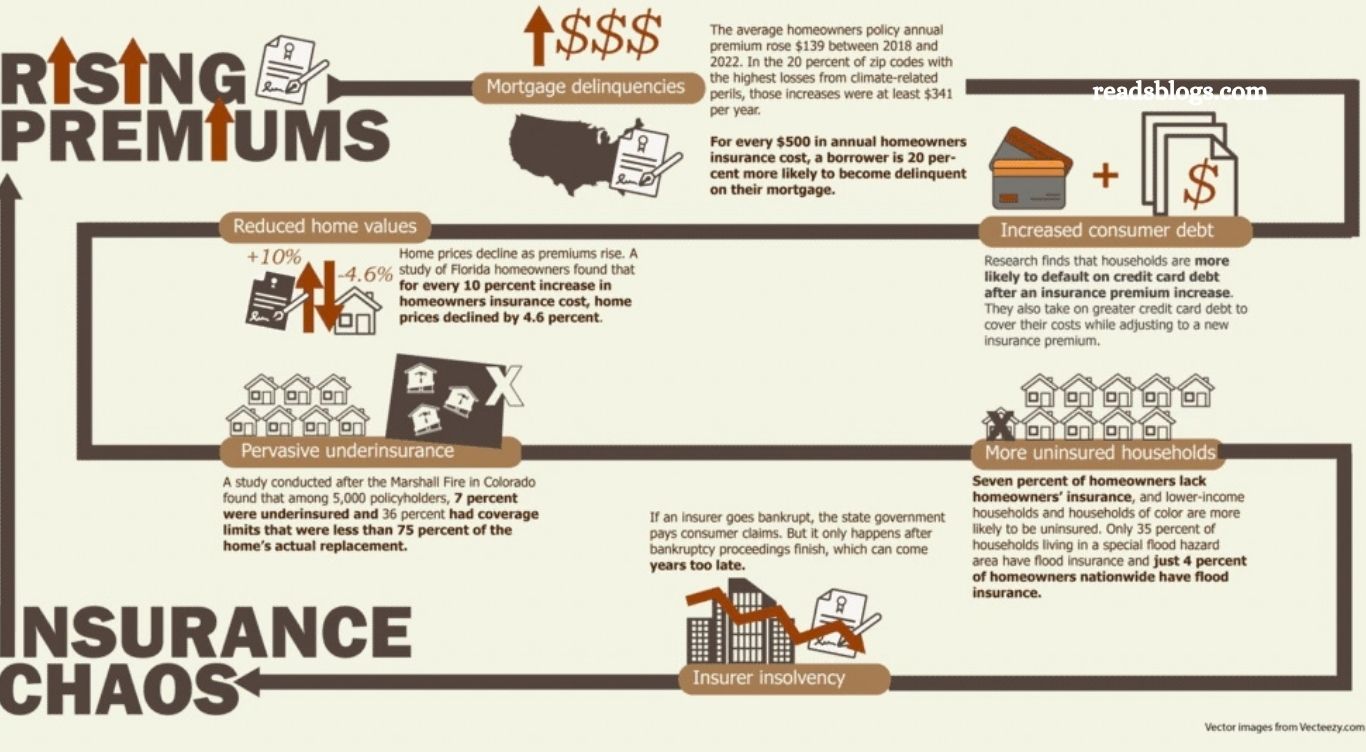
Household insurance costs are becoming a growing concern for families managing monthly expenses. Rising premiums, higher repair costs, property risks, and changing market conditions are putting additional pressure on household budgets. For many homeowners, insurance is no longer a predictable expense that can remain unchanged year after year.
Understanding why insurance premiums are increasing can help households make smarter financial decisions. Reviewing coverage, comparing available policies, improving home protection, and adjusting deductibles can provide ways to manage costs without leaving important assets unprotected.
Read More: Cash Flow Problems Can Quietly Hold Back a Growing Business
Why Household Insurance Premiums Are Rising
Insurance premiums are influenced by several factors, including claims costs, property values, construction expenses, weather-related risks, and broader economic conditions. When insurers face higher costs for repairing or replacing homes, those expenses can eventually affect policyholders through higher premiums.
Severe weather events also play an important role. Flooding, storms, wildfires, hurricanes, and other natural disasters can generate large numbers of insurance claims. As risks increase in certain regions, insurers may adjust premiums to reflect the greater potential for future losses.
Higher Repair Costs Add Pressure
The cost of maintaining and repairing a home has increased significantly in many markets. Building materials, labor, equipment, and specialist services can all contribute to more expensive insurance claims.
When an insured property suffers serious damage, an insurer may need to pay considerably more than it would have several years ago for similar repairs. Higher replacement costs can therefore influence the amount households pay for coverage, even when they have not made a claim themselves.
Household Budgets Face Greater Financial Pressure
For families already dealing with higher costs for groceries, utilities, transportation, mortgages, and other essentials, an increase in insurance premiums can make monthly budgeting more difficult.
Insurance is also different from many optional expenses because homeowners generally need adequate coverage to protect their property and satisfy mortgage requirements. Reducing or cancelling coverage simply to save money can create significant financial risks if an unexpected loss occurs.
Homeowners Are Reviewing Their Insurance Coverage
Rising premiums are encouraging homeowners to examine their existing policies more carefully. Some households may discover that their coverage no longer matches their current needs, while others may be paying for protection they no longer require.
A policy review can help identify unnecessary coverage, outdated property values, or missing protections. Home improvements and major purchases should also be considered because they can change the amount of coverage required.
Comparing Insurance Policies Can Help Control Costs
Shopping around remains one of the most practical ways to manage rising insurance expenses. Different insurers can offer different premiums for similar levels of protection because they assess risk differently.
Homeowners should compare more than the headline premium. Deductibles, coverage limits, exclusions, claims handling, discounts, and additional protections can all affect the real value of a policy.
A cheaper policy may not provide meaningful savings if it comes with significantly lower coverage or higher out-of-pocket costs after a claim.
Higher Deductibles May Reduce Premiums
Choosing a higher deductible can sometimes reduce the cost of an insurance policy. The deductible represents the amount a policyholder agrees to pay before insurance coverage contributes toward a covered claim.
However, households should choose this option carefully. A higher deductible means greater financial responsibility when damage occurs. Before making the change, homeowners should ensure they have enough emergency savings to cover the potential out-of-pocket expense.
Home Improvements Can Support Insurance Savings
Certain improvements may help reduce insurance costs while also making a property safer. Security systems, stronger locks, smoke detectors, updated electrical systems, water leak detection devices, and other protective measures can reduce specific household risks.
Some insurers offer discounts for qualifying safety features. Homeowners should ask their insurer which improvements may qualify before spending money on upgrades specifically for insurance savings.
Location Has an Important Role
Where a home is located can have a major impact on insurance costs. Properties exposed to frequent storms, flooding, wildfires, coastal damage, or other hazards can carry greater insurance risks.
Regional risk can change over time as weather patterns, development, infrastructure, and property values evolve. This means homeowners in higher-risk areas may experience premium increases even when their personal claims history remains unchanged.
What Households Can Do About Rising Premiums
Families facing higher insurance costs can take several practical steps. Reviewing the policy annually is a useful starting point because household circumstances and property values can change.
It is also important to maintain a strong claims history where possible, keep the property well maintained, and ask insurers about available discounts. Bundling eligible insurance policies, improving home security, and comparing competing providers may also create opportunities for savings.
Most importantly, households should avoid reducing essential coverage without understanding the financial consequences. Saving a small amount on premiums may not be worthwhile if it creates a major coverage gap.
Planning for Future Insurance Costs
Insurance should be treated as part of long-term household financial planning rather than an expense that can be considered only when renewal arrives. Setting aside emergency savings can make unexpected deductibles and other expenses easier to manage.
Homeowners should also monitor changes in property value and rebuilding costs. Keeping coverage aligned with current replacement costs can help prevent underinsurance, which may leave a household financially exposed after a major loss.
Frequently Asked Questions
Why are household insurance premiums increasing?
Rising repair costs, severe weather risks, higher property values, and increased claims can contribute to higher insurance premiums.
How can homeowners reduce insurance costs?
Homeowners can compare policies, increase deductibles, improve home security, maintain their property, and ask insurers about available discounts.
Does a higher deductible lower insurance premiums?
Yes, choosing a higher deductible can reduce premiums, but homeowners will pay more out of pocket when making a covered claim.
Can home improvements reduce insurance costs?
Certain safety improvements, such as security systems, smoke detectors, and leak detection devices, may qualify for insurance discounts.
Should homeowners compare insurance providers?
Yes. Comparing providers can help homeowners find competitive premiums and suitable coverage without sacrificing important protection.
Does location affect household insurance premiums?
Yes. Homes exposed to flooding, storms, wildfires, or other natural hazards may have higher insurance costs.
How often should homeowners review insurance coverage?
Homeowners should review their insurance coverage at least once a year or whenever major changes occur to their property or household.
Conclusion
Rising household insurance premiums are creating greater pressure for families already managing higher living costs. Increasing repair expenses, severe weather risks, property values, and changing insurance conditions can all contribute to more expensive coverage. Understanding these factors can help homeowners make informed decisions rather than simply accepting higher renewal costs.
