

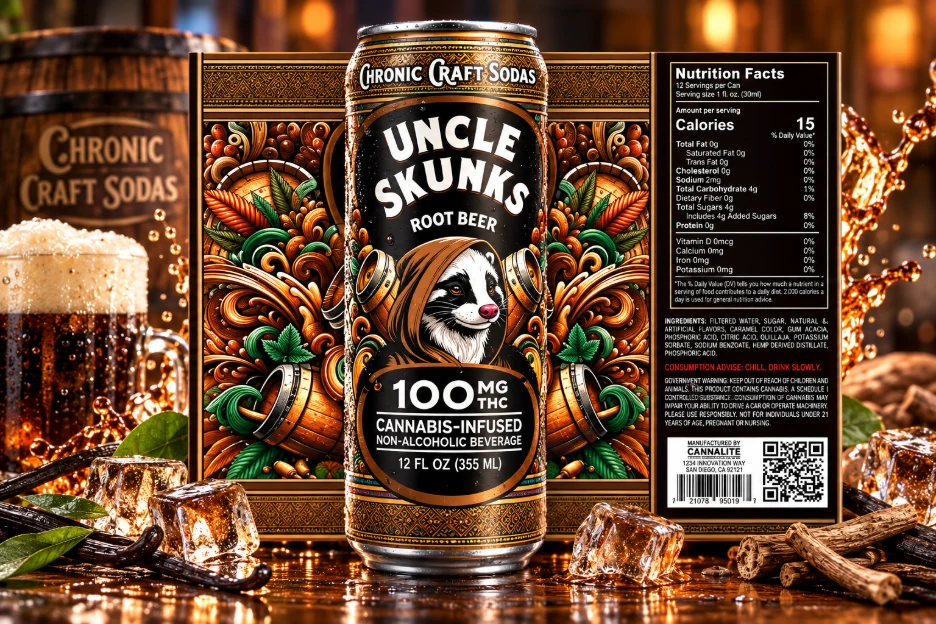
Cannabis beverages are creating new choices for adults in legal cannabis markets. Among these options, high potency THC soda is drawing attention for its familiar drink format and clearly stated THC content. Instead of smoking or vaping, consumers can explore cannabis-infused beverages in a ready-to-drink form. Brands such as Uncle Skunks are part of the market for adults interested in higher-potency options. This growing category is also changing how manufacturers approach flavors, packaging, product information, and responsible consumption. As more beverage formats enter the market, understanding THC levels and potential effects remains essential for making informed decisions.
Why THC Soda Is Getting More Attention
THC soda combines the familiar format of a soft drink with tetrahydrocannabinol (THC), the compound responsible for many of cannabis’s intoxicating effects. This format gives adult consumers another option in markets where cannabis beverages are legally available. It also creates new opportunities for beverage manufacturers to experiment with flavors and product designs.
Several factors help explain the interest in THC soda:
- Familiar drink format: Soda is easy to recognize, making the product format familiar to many consumers.
- Flavor choices: Fruit-inspired and traditional soda flavors offer variety.
- Labeled THC content: Milligram information helps consumers understand how much THC a product contains.
- Different potency levels: Products vary in strength, serving size, and intended market.
However, a familiar package does not make a cannabis beverage equivalent to an ordinary soft drink. THC can affect judgment, coordination, attention, and perception.
What Makes High-Potency THC Soda Different?
The main difference between high-potency beverages and lower-dose options is the amount of THC they contain. For example, a beverage labeled with 100 milligrams of THC contains more total THC than one labeled with 10 milligrams. Consumers should check whether the figure refers to the entire container or an individual serving. Higher-potency products may interest experienced adult consumers, but a greater THC amount also increases the risk of unwanted effects.
Important details to check include:
- Total THC content per container.
- THC content per serving.
- Number of servings in the package.
- Ingredient information and applicable warnings.
- Storage instructions and legal restrictions.
THC affects people differently. A larger dose can cause anxiety, dizziness, confusion, impaired coordination, or an uncomfortable period of intoxication. Potency alone also does not determine a product’s quality or suitability.
How Brands Are Responding to Market Demand
Cannabis beverage brands are exploring ways to distinguish their products through taste, packaging, potency, and clear product information. Some manufacturers focus on beverages with lower THC amounts, while others offer higher-potency options where permitted by law. This variety reflects differences in consumer preferences and the regulations governing individual markets. Uncle Skunks is a brand associated with the higher-potency THC beverage category. Its presence illustrates how brands can position cannabis drinks around recognizable beverage formats while making potency information part of the purchasing decision.
For manufacturers, product development involves more than selecting a THC level. They must also consider:
- Flavor consistency and overall taste.
- Accurate cannabinoid testing and labeling.
- Packaging that clearly identifies the product.
- Compliance with local manufacturing and sales requirements.
- Appropriate warnings and safe-storage instructions.
These factors help consumers understand what they are purchasing and reduce confusion between cannabis beverages and conventional soft drinks.
Flavor and Packaging Influence Consumer Choices
Taste plays a major role in beverage selection. Manufacturers can experiment with sweetness, carbonation, acidity, and fruit flavors to develop distinct products. Soda-style drinks provide a familiar base for these experiments. However, a pleasant flavor should never distract consumers from the product’s THC content or potential effects. Packaging is equally important. Cannabis beverages should be clearly identified so that people do not mistake them for regular soda.
Responsible packaging practices include:
- Clear THC amounts and serving information.
- Readable ingredient lists and warnings.
- Secure, child-resistant packaging where required.
- Storage guidance that keeps products away from children and pets.
These details are particularly important for higher-potency beverages because accidental consumption can result in significant intoxication.
Responsible Consumption Requires Clear Information
THC beverages can take longer to produce noticeable effects than inhaled cannabis. The timing depends on several factors, including the product formulation, individual metabolism, food intake, and amount consumed. This delay can create problems when someone consumes more because they do not immediately feel an effect. Taking additional THC too soon may lead to an unexpectedly intense experience.
Adults should follow product instructions and take precautions such as:
- Read the full label before consuming a beverage.
- Check the THC amount per serving instead of relying only on the package total.
- Avoid combining THC with alcohol or other intoxicating substances.
- Never drive or operate machinery after consuming THC.
- Keep products securely stored in their original packaging.
People who are new to cannabis, pregnant, sensitive to THC, or taking medications should exercise particular caution and seek appropriate professional guidance when needed.
Regulation Is Shaping the Industry
Cannabis beverage regulations vary across the United States. A product permitted in one state may not be legal in another, and rules can differ according to product type and sales channel. Regulatory requirements may cover THC limits, laboratory testing, packaging, advertising, age restrictions, and retail distribution.
Higher-potency products can attract additional attention because of the risks associated with excessive consumption. Manufacturers must understand the requirements that apply to each product and market. Clear labeling and reliable testing can help consumers compare products more accurately. Marketing should also avoid suggesting that THC beverages are harmless or suitable for everyone. Uncle Skunks and other brands operating in this category must be considered within the applicable legal framework. Product availability, permitted potency, and purchasing requirements depend on local laws.
What the Future Holds for Cannabis Beverages
The direction of the THC beverage market will depend on regulation, consumer preferences, product quality, and safety practices. Flavor variety and more consistent product information may help shape future product development. However, higher potency alone is unlikely to address every consumer preference.
Several factors may influence the category’s development:
- Product transparency: Clear labels can help adults understand THC amounts and serving sizes.
- Quality control: Consistent testing can support accurate product information.
- Responsible packaging: Clear identification and secure storage can reduce accidental consumption.
- Regulatory compliance: Following state-specific rules is essential for legal distribution.
Brands that prioritize accurate information and responsible marketing can help consumers make better-informed decisions as the category develops.
Conclusion
High-potency THC soda is adding another format to the cannabis beverage market. Familiar flavors, ready-to-drink packaging, and different THC concentrations are influencing how manufacturers develop and present their products. At the same time, clear labeling, accurate testing, and responsible consumption remain essential. Understanding potency and delayed effects helps adults assess the risks before making decisions about cannabis beverages. Contact us today to learn more about high-potency THC soda and the changing cannabis beverage market. Explore product information, understand THC labeling, and make informed decisions while following local laws and responsible-use guidance.
