

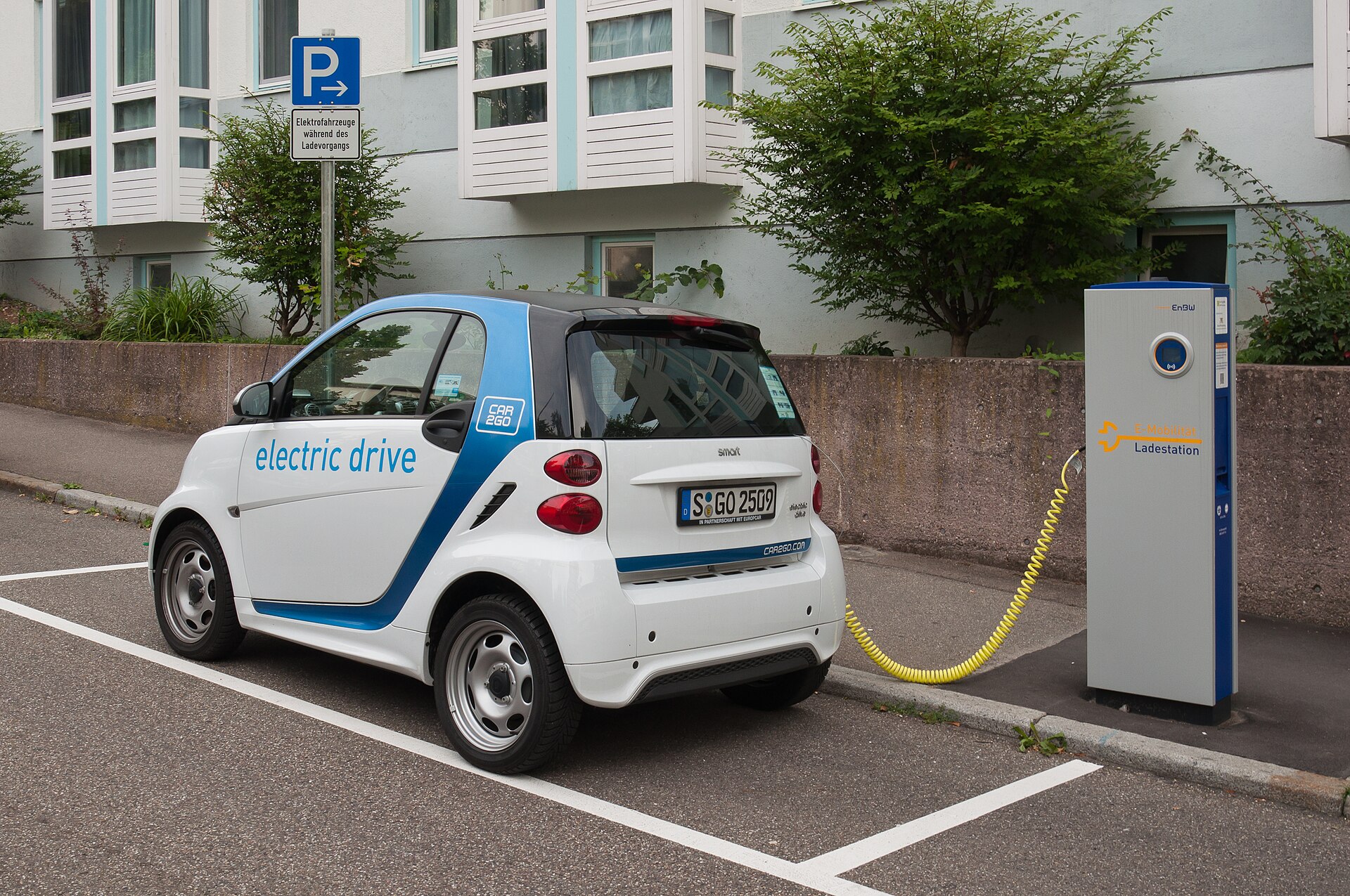
The first big wave of electric vehicles is reaching old age, and with it comes a question the industry postponed for a decade: what happens to the batteries? A modern EV pack contains lithium, nickel, cobalt and graphite worth real money — and a growing industry of recyclers is racing to recover them before the wave becomes a flood.
The second-life detour
Many packs retire from cars with 70 to 80 per cent of their capacity intact — useless for driving, but plenty for stationary storage. Utilities and startups are stacking these modules into grid batteries that soak up solar power by day and release it at night. This second life delays recycling by years while extracting more value, though it also complicates the eventual collection chain as packs scatter across warehouses and solar farms.
The International Energy Agency tracks battery supply chains in its critical minerals outlooks, and research on recycling methods appears regularly in Nature.
Regulation is forcing the pace
Governments have stopped leaving this to goodwill. The European Union’s battery regulation phases in recycled-content requirements and collection targets; several US states are adopting producer-responsibility rules that make carmakers fund end-of-life handling. China, which built recycling capacity earliest, already processes a large share of the world’s retired packs. The direction is uniform: batteries will be tracked, collected and recycled by law, not by choice.
How scientists know this
Findings of this kind are not single-experiment stories. They rest on converging lines of evidence — instrument records, replication by independent groups, and models tested against observations — assembled over years and argued over in the literature. Where uncertainty remains, it is usually about magnitude and timing rather than direction. That distinction matters for how the rest of us should hold the news: not as a coin flip between true and false, but as a picture sharpening at different speeds in different places.
What it means for EV owners
For drivers, the effects are mostly positive. Valuable end-of-life packs should support trade-in values, and recycled content helps stabilise new-battery prices against commodity spikes. The practical advice is simple: when a pack is replaced, use authorised channels so it enters the tracked recycling system rather than the grey market — the materials, and the safety record of the industry, depend on it.
For more coverage of the stories shaping the day, visit our home page and the latest in technology.
Why recycling beats mining, on paper
Extracting lithium and nickel from ore is energy-intensive, water-hungry and geographically concentrated. Recovering the same metals from a used battery keeps them in circulation, cuts the carbon footprint of a new pack substantially, and reduces dependence on a handful of mining regions. Studies suggest recycled material can supply a meaningful share of battery-metal demand by the mid-2030s if collection systems work — a prize that explains the billions now flowing into recycling plants.
Three ways to crack a battery
Recyclers broadly use three approaches. Pyrometallurgy burns packs in furnaces to recover metal alloys — robust and simple, but energy-hungry and lossy. Hydrometallurgy dissolves shredded battery material in chemicals to extract individual metals at high purity. Direct recycling, the newest path, tries to preserve the valuable cathode material itself rather than breaking it down to elements. Each method is improving, and most large facilities now combine them.
Why this research matters beyond the lab
Basic research has a habit of becoming infrastructure. Measurements taken to answer a scientific question end up guiding engineering standards, insurance models, public investment and school textbooks. The lag can be decades, which is precisely why the funding and the observing systems behind work like this are worth defending in the present: the data not gathered this year is the question nobody can answer in twenty. Curiosity may start the work, but societies finish it — or fail to — with budgets.
The electric transition will be judged not just by how cleanly cars run, but by how cleanly they retire. On current evidence, the industry is building the machinery to close the loop — just in time for the wave.
