

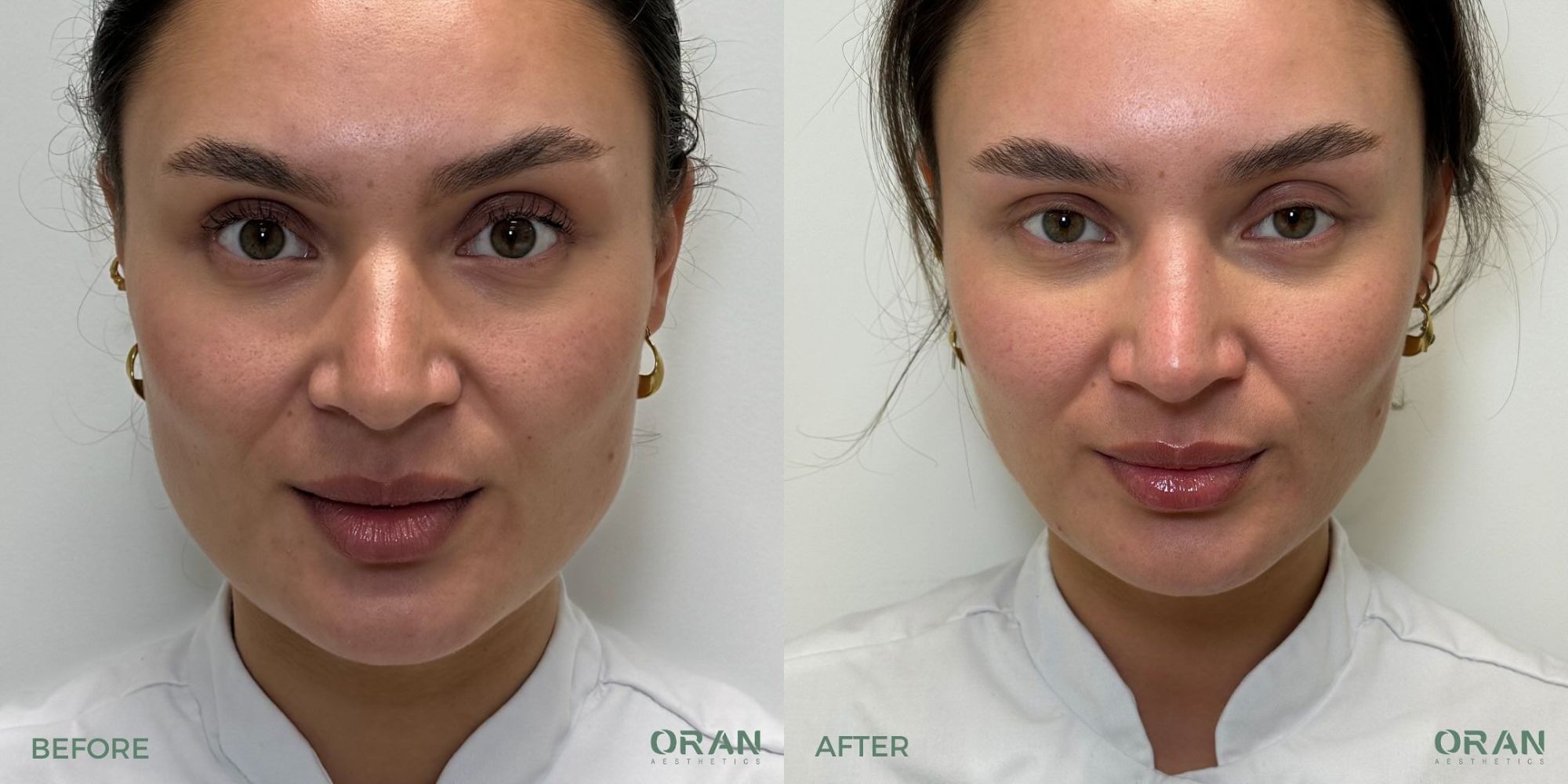
Facial proportions play a key role in how balanced and defined a person appears. While fuller cheeks are often associated with youthfulness, excess volume in the mid-face can sometimes soften facial contours and reduce definition. This concern is influenced by genetics, bone structure, and natural fat distribution rather than body weight alone.
With rising interest in facial aesthetics, many individuals explore methods that enhance definition while keeping results subtle and natural. Facial slimming procedures aim to refine contours without altering one’s identity.
Understanding Cheek Fat and Facial Structure
Cheek fat is located in deeper layers of the face and supports overall facial volume. The size and positioning of this fat vary from person to person. In some individuals, these fat deposits can make the face appear rounder or heavier even when the rest of the body is lean.
Because cheek fat is deep and structurally supported, it usually does not respond significantly to diet or exercise. This is why targeted facial contouring solutions are often explored to address mid-face fullness.
How Facial Slimming Procedures Are Planned
Facial contour enhancement begins with careful assessment. Practitioners evaluate facial shape, skin elasticity, muscle activity, and overall balance. The objective is not excessive fat removal but controlled refinement that enhances natural features.
Maintaining harmony between cheeks, jawline, and chin is essential. Over-reduction can lead to an overly hollow or aged appearance, especially as natural facial volume decreases over time.
Who Typically Considers Facial Slimming
Individuals who feel that their cheeks appear disproportionately full often consider facial slimming options. This includes people who maintain a stable weight but still notice roundness in the mid-face.
However, suitability depends on multiple factors. People with naturally narrow faces, reduced skin elasticity, or minimal facial fat may be advised to avoid aggressive approaches. A personalised evaluation ensures outcomes remain balanced and age gracefully.
General Procedure and Recovery Expectations
Facial slimming procedures targeting cheek fat are designed to be precise and conservative. The goal is subtle change rather than dramatic transformation. Swelling is common initially but typically settles gradually over time.
Final results develop progressively over several weeks as facial tissues adapt. This gradual transition often makes the enhancement appear natural and unnoticeable to others.
Factors Influencing Results
Results vary based on facial anatomy, age, skin condition, and how conservatively the approach is executed. Genetics also play a role in healing and long-term facial appearance.
Because facial fat contributes to youthful fullness, long-term planning is crucial. Preserving sufficient volume ensures results remain aesthetically pleasing as the face naturally matures.
During research, individuals often come across information related to cheek fat reduction procedure Singapore while learning about regional approaches to facial contour enhancement.
Importance of Professional Expertise
Facial contouring requires refined aesthetic judgment. Professional guidance ensures that improvements enhance facial structure rather than distort proportions.
Experienced practitioners assess facial movement and expression, helping preserve natural dynamics after the procedure. This expertise is essential to achieving refined, long-lasting results.
Supporting and Maintaining Results
While facial slimming addresses structural concerns, overall lifestyle habits influence long-term appearance. Hydration, sun protection, proper nutrition, and consistent skincare help support skin quality and facial balance.
Stable body weight is also important, as significant weight changes may affect facial contours and overall harmony.
Long-Term Facial Aesthetic Perspective
Facial aesthetics are best approached with a long-term mindset. Trends change, but natural balance and proportion remain timeless. Subtle contour refinement often delivers higher satisfaction than dramatic changes.
Periodic evaluations and mindful care help maintain facial harmony and confidence over time.
Conclusion
Facial slimming procedures aimed at reducing cheek fullness focus on enhancing definition while preserving natural structure. Understanding facial anatomy, setting realistic expectations, and prioritising balance are key to successful outcomes.
With thoughtful planning and professional guidance, individuals can achieve refined facial contours that complement their natural features and age gracefully.
