

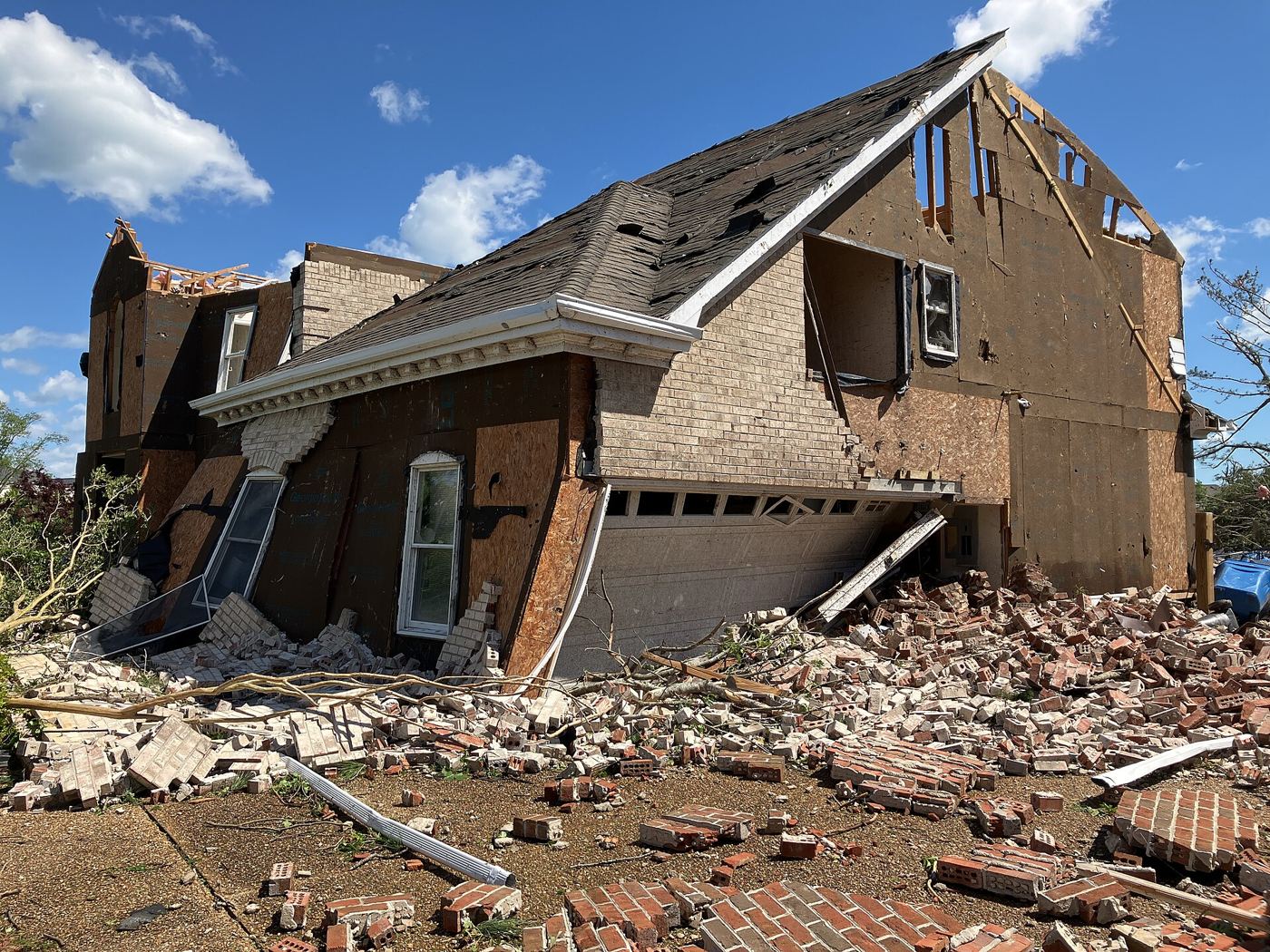
Residents of a town in southern Brazil picked through the wreckage of their homes on Saturday 21 November 2026 after a violent storm killed four people, injured 162 and tore the roofs from thousands of buildings. The storm struck without much warning, ripping tiles and timber from houses, bringing down trees and power lines, and leaving streets buried under debris. Emergency workers searched the rubble for anyone trapped, while hospitals treated the injured and local officials began counting the damage. Families who had lost everything sheltered with neighbours or in public buildings as the clean-up began, and the town’s mayor appealed for help from the state government.
What the Evidence Shows
Storms of this force are becoming more common across southern Brazil, where changing weather patterns have brought heavier rain, stronger winds and more frequent flooding in recent years. Meteorologists say warmer air holds more moisture, which can fuel more violent storms when cold fronts sweep up from the south. The damage is often worst in poorer neighbourhoods, where houses are built with lighter materials and fewer of them carry insurance. Local governments, already stretched, struggle to rebuild quickly after each disaster, and residents say the same streets flood again and again. For the families picking through the wreckage, the immediate task is finding shelter before the next storm arrives. Reporting and analysis from sources such as BBC News track the same developments, and specialists following the deadly storm in southern Brazil say the direction is now consistent across independent lines of evidence.
The Wider Context
The wider context is a public conversation conducted at a speed institutions were not built for. Developments around the deadly storm in southern Brazil are announced, contested and revised within a single news cycle, and the officials involved have learned to publish evidence alongside claims so that scrutiny can actually occur. Trust, the polling suggests, follows that transparency more than it follows confidence.
What Happens Next
What happens next in the story of the deadly storm in southern Brazil will be decided in the places where it is being implemented, measured and argued about in public. The officials and organisations involved have committed to publishing progress data, and that commitment gives residents, businesses and journalists something firmer than promises to judge. The next milestones are dated, which means they can be checked. You can follow related developments in our coverage of news.
None of this will be settled by a single announcement, study or product launch. The pattern to watch is accumulation: independent confirmations, honest reporting of failures and steady improvement in the underlying numbers. Readers who follow those signals, rather than the loudest claim of the week, will understand this subject better than most of the commentary surrounding it suggests is possible.
