

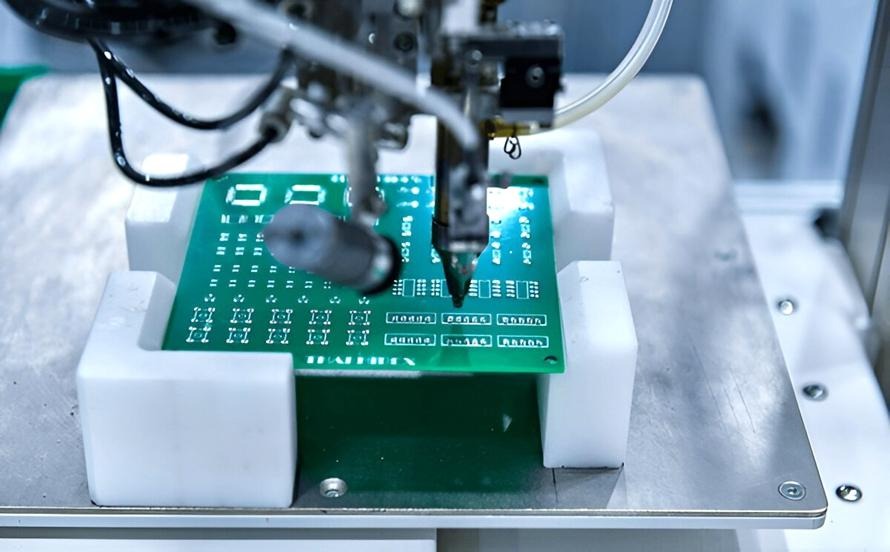
Today’s electronic products are becoming increasingly sophisticated, combining printed circuit boards, wiring, mechanical enclosures, sensors, connectors, motors, displays, and power systems into a single integrated solution. From medical devices and industrial automation equipment to telecommunications systems and electric vehicles, manufacturers need more than high-quality PCB assembly to produce reliable products. They require complete integration of both electrical and mechanical components, making Electro-Mechanical Assembly a critical part of the manufacturing process.
Electro-mechanical assembly brings together electronic circuits and mechanical structures into a finished product that is ready for testing and deployment. It eliminates the need for customers to coordinate multiple suppliers while improving production efficiency, quality control, and supply chain management.
As products continue to become more compact and complex, manufacturers increasingly rely on professional Electro-Mechanical Assembly service providers that offer engineering expertise, precision assembly processes, and comprehensive quality assurance. These services help companies reduce production time, simplify manufacturing, and ensure consistent product reliability.
This article explores what electro-mechanical assembly is, how the process works, its advantages, applications, and why selecting an experienced assembly partner is essential for successful product manufacturing.
What Is Electro-Mechanical Assembly?
Electro-Mechanical Assembly is the process of integrating electronic components with mechanical parts to create a fully functional product or subsystem. Unlike standard PCB assembly, which focuses only on mounting electronic components onto a printed circuit board, electro-mechanical assembly combines the completed PCB with enclosures, wiring harnesses, connectors, switches, displays, cooling systems, motors, batteries, sensors, and other mechanical elements.
The objective is to deliver a complete assembly that is fully integrated, tested, and ready for installation or final product use. Depending on the application, the assembly may include cable routing, fastening hardware, thermal management components, control panels, or customized mechanical structures.
This integrated manufacturing approach reduces complexity by allowing multiple production stages to be completed within a single manufacturing facility while maintaining consistent quality throughout the process.
Why Electro-Mechanical Assembly Is Important
Modern electronic products rarely consist of a PCB alone. Most devices require mechanical support structures, protective enclosures, power distribution systems, cooling solutions, and various electrical interconnections to function properly.
Electro-Mechanical Assembly ensures that these different components work together as a complete system. Proper assembly improves electrical performance, mechanical durability, and product reliability while minimizing assembly errors that may occur when different manufacturing stages are handled separately.
Integrated assembly also shortens production lead times by reducing logistics between multiple suppliers. Manufacturers benefit from simplified project management, improved communication, and faster product development cycles.
For industries that demand high reliability, professional electro-mechanical assembly helps ensure that every subsystem is correctly installed, aligned, secured, and tested before shipment.
The Electro-Mechanical Assembly Process
The Electro-Mechanical Assembly process begins with a detailed engineering review of product drawings, assembly documentation, bill of materials, and customer specifications. Engineers evaluate manufacturability, assembly methods, component compatibility, and testing requirements before production begins.
PCB assembly is typically completed first using automated surface mount and through-hole manufacturing processes. Once the electronic assemblies have passed inspection and electrical testing, they move to the electro-mechanical integration stage.
Technicians install the PCB into the mechanical enclosure while assembling connectors, wiring harnesses, switches, displays, power supplies, cooling systems, batteries, and other mechanical components according to engineering specifications. Mechanical fastening methods, cable routing, and strain relief are carefully controlled to ensure long-term reliability.
Following assembly, the completed product undergoes electrical testing, mechanical inspection, functional verification, and system-level validation to confirm that every component operates correctly before packaging and shipment.
Throughout production, manufacturers maintain strict documentation and process control to ensure consistent assembly quality.
Advantages of Electro-Mechanical Assembly
One of the greatest advantages of Electro-Mechanical Assembly is improved manufacturing efficiency. By integrating multiple production stages into one process, manufacturers reduce handling, transportation, and coordination between separate suppliers.
Another important benefit is enhanced product reliability. Professional assembly procedures ensure that electrical connections, wiring, connectors, and mechanical fasteners are installed correctly, minimizing the risk of field failures caused by poor assembly practices.
Integrated manufacturing also improves quality control because every production stage is monitored under a unified quality management system. Problems can be identified and corrected before the product reaches final testing.
Electro-mechanical assembly further supports faster product development by simplifying prototype production and accelerating the transition to full-scale manufacturing.
These advantages contribute to reduced production costs, improved product consistency, and greater customer satisfaction throughout the product lifecycle.
Applications of Electro-Mechanical Assembly
Electro-mechanical assembly supports a wide range of industries that manufacture complex electronic products. Industrial automation companies rely on integrated assemblies for programmable logic controllers, robotics systems, motor controllers, operator interfaces, and factory automation equipment requiring reliable electrical and mechanical integration.
Medical device manufacturers use electro-mechanical assembly for patient monitoring systems, diagnostic instruments, imaging equipment, laboratory analyzers, portable healthcare devices, and surgical systems where product reliability is essential.
Telecommunications companies incorporate complete assemblies into networking equipment, communication servers, wireless infrastructure, fiber optic systems, and data transmission hardware designed for continuous operation.
Automotive manufacturers depend on electro-mechanical assembly for battery management systems, electric vehicle charging modules, dashboard electronics, infotainment systems, advanced driver assistance systems, and electronic control units.
Aerospace, defense, renewable energy, railway transportation, security equipment, scientific instrumentation, consumer electronics, and smart home technology also benefit from professional electro-mechanical assembly solutions.
Why Choose a Professional Electro-Mechanical Assembly Service?
Selecting an experienced Electro-Mechanical Assembly service provides significant advantages throughout product development and manufacturing. Professional service providers possess the engineering expertise needed to integrate electronic and mechanical components efficiently while maintaining consistent production quality.
Experienced manufacturers perform Design for Assembly reviews that identify potential production challenges before manufacturing begins. These engineering evaluations help improve assembly efficiency while reducing manufacturing errors and product defects.
Modern assembly facilities utilize precision assembly equipment, automated testing systems, torque-controlled fastening tools, cable processing equipment, and advanced inspection technologies to ensure accurate and repeatable production.
Professional service providers also offer comprehensive supply chain management by sourcing components, managing inventory, coordinating production schedules, and maintaining complete manufacturing traceability throughout the project.
By partnering with an experienced assembly provider, manufacturers can focus on product innovation while relying on specialized production expertise to deliver finished assemblies that meet demanding quality requirements.
Quality Assurance in Electro-Mechanical Assembly
Quality assurance is essential because electro-mechanical assemblies combine electrical, electronic, and mechanical systems into a single product. Every stage of production is carefully monitored to ensure proper assembly, alignment, and functionality.
Incoming materials are inspected before production begins to verify component quality and dimensional accuracy. During assembly, technicians follow documented work instructions while inspecting wiring, connectors, cable routing, mechanical fasteners, and electrical interfaces.
Completed assemblies undergo electrical testing, functional verification, mechanical inspection, and system-level performance evaluation before shipment. Depending on the application, products may also undergo vibration testing, thermal cycling, environmental testing, insulation resistance measurement, burn-in testing, and reliability validation.
Leading manufacturers maintain internationally recognized certifications such as ISO 9001, IPC standards, ISO 13485 for medical devices, IATF 16949 for automotive electronics, AS9100 for aerospace manufacturing, and RoHS compliance. These quality systems help ensure consistent production while meeting global customer requirements.
Conclusion
Electro-Mechanical Assembly plays a vital role in transforming individual electronic and mechanical components into complete, fully functional products. By integrating PCB assemblies with enclosures, wiring, connectors, sensors, displays, power systems, and mechanical structures, manufacturers can improve product quality, simplify production, and accelerate time to market.
Choosing a professional Electro-Mechanical Assembly service provides access to advanced manufacturing capabilities, experienced engineering support, comprehensive quality assurance, and efficient supply chain management. As electronic products continue to become more complex across industries such as medical technology, automotive, aerospace, telecommunications, industrial automation, and renewable energy, professional electro-mechanical assembly will remain a critical manufacturing solution for delivering reliable, high-performance products to global markets.
