

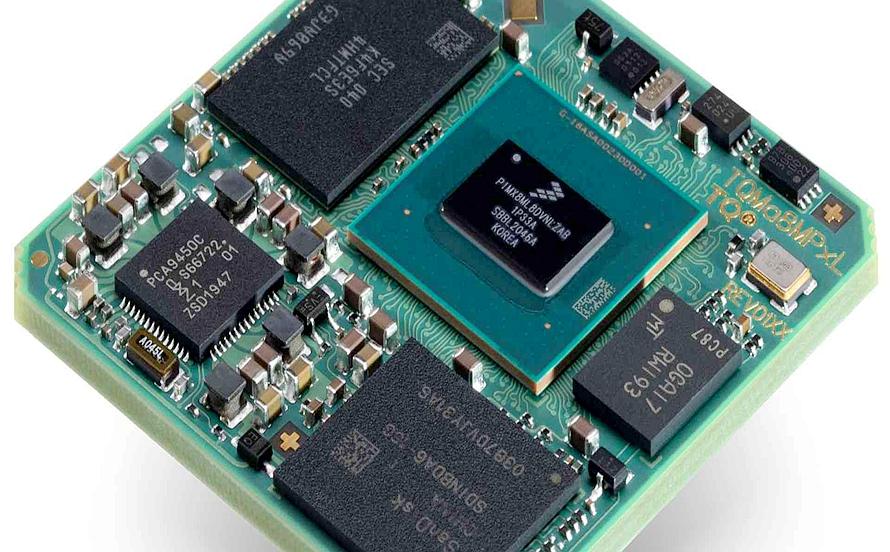
Printed Circuit Board Assembly is a critical stage in electronics manufacturing that transforms a bare printed circuit board into a functional electronic system. By mounting and connecting electronic components to a board, manufacturers create the circuits required to operate products across industries such as consumer electronics, automotive, telecommunications, industrial automation, and medical equipment. As electronic devices become smaller and more sophisticated, the demand for accurate, consistent, and reliable assembly processes continues to grow.
Understanding how PCB assembly works helps product developers and businesses make informed decisions about manufacturing methods, component selection, quality assurance, and production planning. Whether a project involves an early prototype or a large production run, an appropriate assembly strategy can improve efficiency, minimize defects, and support the long-term performance of electronic products.
What Is Printed Circuit Board Assembly?
Printed Circuit Board Assembly is the process of installing electronic components onto a fabricated PCB and establishing the electrical connections needed for the circuit to function. A bare circuit board contains conductive copper traces, pads, and other structural features, but it does not perform its intended electronic function until the required components are mounted.
Common components include resistors, capacitors, integrated circuits, transistors, diodes, connectors, and microcontrollers. Each component serves a specific purpose within the circuit, such as controlling current, storing energy, processing signals, or connecting different parts of an electronic system.
Once the components have been installed and soldered, the completed board is known as a PCB assembly, or PCBA. Its design and construction depend on the product's operating environment, electrical requirements, mechanical limitations, and expected production volume.
Successful assembly requires more than attaching components. Manufacturers must follow suitable process parameters, maintain component placement accuracy, manage soldering quality, and verify that the finished board meets the required specifications.
Main Steps in the PCB Assembly Process
A typical PCB assembly workflow includes several stages, each contributing to the quality and functionality of the finished product.
Solder Paste Printing and Component Placement
For surface mount assembly, solder paste is deposited onto designated PCB pads using a stencil. The paste contains solder particles and flux, which helps prepare the metal surfaces for soldering.
Automated pick-and-place equipment then positions surface mount components according to the assembly data. Modern machines can handle small components and fine-pitch packages with high placement accuracy.
Incorrect positioning, insufficient solder paste, or contamination can lead to defects. For this reason, manufacturers monitor printing quality and placement accuracy before proceeding to the soldering stage.
Soldering and Component Installation
Reflow soldering is widely used for surface mount technology. During this process, the assembled board passes through a controlled heating profile that melts the solder paste and creates electrical and mechanical connections.
Through-hole components require a different installation approach. Their leads pass through holes in the board and are soldered using wave soldering, selective soldering, or manual methods, depending on the design.
Some boards combine surface mount and through-hole components. These mixed-technology assemblies may require multiple processing stages to ensure that each component type is installed correctly.
Inspection and Electrical Testing
After soldering, the board undergoes inspection to identify manufacturing defects. Automated optical inspection can detect visible issues, including missing components, incorrect orientation, solder bridges, and certain solder joint defects.
X-ray inspection is useful for examining hidden connections beneath packages such as ball grid arrays. Electrical testing can help identify shorts, opens, and other circuit problems, while functional testing verifies whether the board operates according to its intended purpose.
The appropriate inspection and testing plan depends on circuit complexity, product risk, industry requirements, and customer specifications.
Common PCB Assembly Technologies
Different assembly technologies support different component types and design requirements. Selecting the right method helps balance production efficiency, board size, mechanical strength, and cost.
Surface Mount Technology
Surface mount technology (SMT) places components directly onto the surface of a circuit board. It enables compact layouts, high component density, and efficient automated production.
SMT is commonly used in smartphones, computers, networking equipment, household electronics, and industrial control systems. Its automation capabilities make it suitable for consistent production across a wide range of volumes.
Through-Hole Technology
Through-hole technology involves inserting component leads into drilled holes before soldering them to conductive pads. The resulting connections can provide strong mechanical support for components exposed to vibration, physical stress, or demanding operating conditions.
This method is often used for connectors, large components, power electronics, and applications where mechanical durability is particularly important.
Mixed-Technology Assembly
Mixed-technology assembly combines surface mount and through-hole components on a single board. It allows engineers to use compact surface-mounted parts while retaining through-hole connections where additional mechanical strength or specific component designs require them.
However, the combination can increase process complexity. Careful sequencing, suitable soldering methods, and additional inspections may be necessary to maintain consistent quality.
Benefits of Reliable Circuit Board Assembly
A well-controlled assembly process offers several advantages for electronics manufacturers and product developers.
Improved reliability: Accurate component placement, controlled soldering, and appropriate testing help reduce manufacturing defects that could affect product operation.
Greater production consistency: Automated equipment and standardized procedures support repeatable results across multiple manufacturing batches.
Faster production: Modern assembly lines can place and solder large numbers of components efficiently, helping manufacturers manage deadlines and production schedules.
Compact product designs: Surface-mounted components support smaller, lighter, and more densely populated electronic devices.
Lower rework costs: Early defect detection helps prevent manufacturing problems from progressing to later production stages, where repairs may become more expensive.
Flexible production volumes: Established manufacturing processes can support prototype development, pilot production, and larger manufacturing orders as demand changes.
These advantages depend on good engineering practices, reliable components, suitable equipment, and continuous process monitoring.
Industries That Depend on PCB Assembly
Circuit board assemblies are used in numerous industries, with different applications requiring specific performance and quality characteristics.
Consumer electronics manufacturers use assembled boards in televisions, computers, smart home devices, audio systems, and wearable products. These applications often prioritize compact layouts, manufacturing efficiency, and cost control.
Industrial applications include programmable controllers, sensors, power supplies, robotics, and monitoring systems. Circuit boards used in these environments may need to withstand vibration, temperature fluctuations, electrical noise, and extended operating periods.
Medical electronics depend on circuit assemblies in diagnostic instruments, patient monitoring devices, laboratory equipment, and other electronic systems. Manufacturers may need to maintain detailed production records, component traceability, and quality controls appropriate to the device's intended use.
Automotive electronics use PCBs in engine control units, lighting systems, infotainment equipment, driver assistance technologies, and battery management systems. These products can require rigorous reliability testing and compliance with applicable automotive standards.
Telecommunications, renewable energy, aerospace, and security equipment also rely on carefully manufactured circuit board assemblies to maintain dependable operation.
How to Select the Right PCB Assembly Manufacturer
Choosing an assembly manufacturer involves evaluating technical expertise, quality procedures, production capacity, and communication rather than comparing prices alone.
Start by reviewing the manufacturer's ability to handle the required board dimensions, component packages, assembly technologies, and order volumes. Designs involving fine-pitch components, high-density layouts, or advanced packages may require specialized machinery and inspection systems.
Quality assurance should also be a priority. Ask about automated optical inspection, X-ray inspection, electrical testing, component traceability, and procedures for investigating defects. The required controls should match the complexity and risk level of the finished product.
Component sourcing is another important consideration. Manufacturers should have processes for verifying component authenticity, managing shortages, and addressing obsolete parts. Unauthorized substitutions can create compatibility issues or affect product performance.
Finally, assess lead times, engineering support, communication, and cost transparency. A capable manufacturing partner should explain technical limitations, identify potential production risks, and provide realistic timelines before manufacturing begins.
Conclusion
Printed Circuit Board Assembly connects electronic components to create functional products used across modern industries. Understanding the assembly process, available technologies, quality requirements, and manufacturing considerations helps businesses make informed decisions and reduce production risks. Careful planning and effective testing can improve consistency, control costs, and support reliable product performance. By evaluating technical capabilities, component sourcing practices, and quality management procedures, businesses can select a suitable Printed Circuit Board Assembly Service that aligns with their product specifications, production requirements, and long-term manufacturing objectives.
