

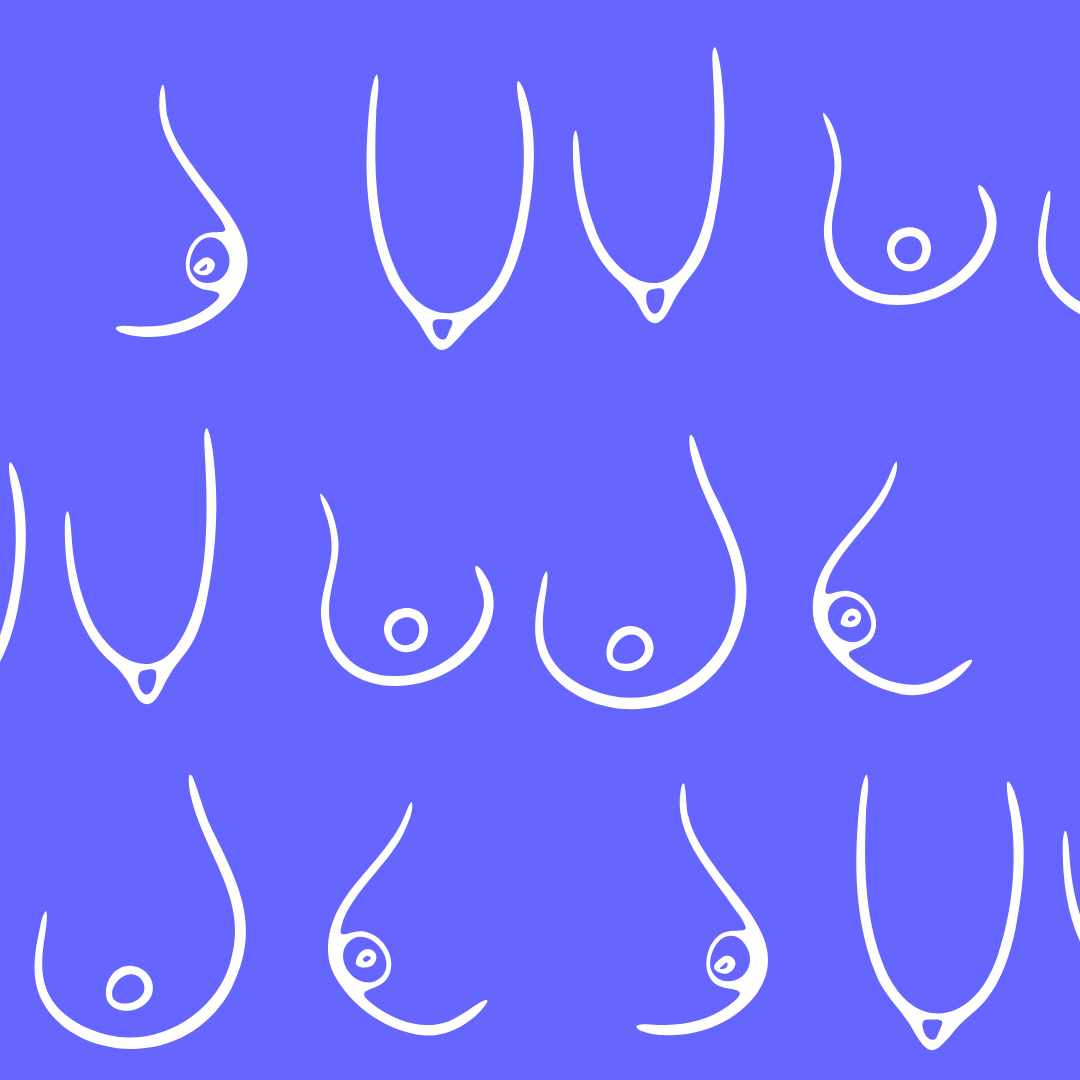
The concept of the perfect breast shape and size has fascinated both medical professionals and the general public for decades. While beauty standards vary widely across cultures and personal preferences, scientific research and clinical studies have sought to identify proportions and features that are generally perceived as aesthetically pleasing and harmonious with the body. Understanding these ideals can help individuals make informed decisions, whether considering cosmetic procedures or simply aiming to embrace their natural form with confidence.
In this comprehensive guide, readers will learn about the characteristics that define the most desired breast size and shape, the significance of commonly referenced bra sizes like 32DD, and which breast shapes are often deemed most attractive. We will explore the anatomical factors, proportions, and common natural variations that contribute to the overall appearance and appeal of the bust. By combining clinical insights with aesthetic considerations, this article aims to provide a balanced view that respects individuality while offering clear information about popular ideals.
Beauty is not one-size-fits-all, but certain ratios and features consistently emerge as pleasing to the eye. For example, the often-cited 45:55 tissue ratio, where 45% of breast tissue sits above the nipple and 55% below, has been favored by both women and men in surveys. Symmetry, nipple position, and gentle upper fullness are also key factors that influence the perception of an ideal bust. Likewise, the size must harmonize with one’s overall frame and lifestyle, ensuring comfort as well as appearance.
This article will also clarify common misconceptions, such as the meaning of specific bra sizes and the diversity of natural breast shapes. Whether you are curious about aesthetic ideals, considering a change, or simply wish to appreciate your unique body better, this detailed exploration will provide valuable knowledge and perspective.
What is the most desired breast size and shape?
When discussing the most desired breast size and shape, it is essential to recognize that preferences vary greatly among individuals and cultures. However, clinical studies and surveys have identified some common features that tend to be widely appreciated. One of the most cited standards is the 45:55 tissue distribution ratio. This means that ideally, 45% of the breast tissue should be located above the nipple line, with 55% below it. This subtle imbalance creates a natural, gentle slope on the upper pole of the breast, avoiding a too-round or artificial look.
Other important aesthetic factors include:
- Symmetry: Both breasts should closely match in size, shape, and position, as large asymmetry can detract from the overall balance.
- Nipple Position: Nipples ideally point forward or slightly upwards, tilted between 15 and 20 degrees, which contributes to a youthful and perky appearance.
- Upper Pole Fullness: The upper part of the breast should have a gentle slope rather than a pronounced convex curve, which helps avoid the “stuck-on” look sometimes seen with implants or unnatural augmentation.
In terms of size, the most desired breast size is one that harmonizes with the individual’s body proportions, including height, shoulder width, waist, and hips. This proportionality ensures that the bust looks natural rather than overwhelming or out of place. Additionally, comfort plays a crucial role; the ideal size should not cause any physical discomfort such as neck, shoulder, or back pain. Anatomical factors like chest wall width and skin elasticity also influence what size is feasible and safe for each person.
Natural breast shapes vary widely, but common forms include:
- Round: Equal fullness on the upper and lower parts of the breast.
- Teardrop: Fuller at the bottom with a gentle slope at the top; often considered the most natural and attractive.
- Asymmetrical: Slight size difference between breasts, which is very common and usually normal.
- Bell-shaped: Narrower at the top and fuller at the bottom.
- Athletic: Wider base with more muscle definition and less fatty tissue, giving a firmer appearance.
Among these, the teardrop shape is frequently regarded as the ideal because it mirrors the natural effects of gravity and aging while maintaining a youthful contour. This shape’s gentle fullness below the nipple and thinner tissue above aligns well with the 45:55 ratio.
Is 32 dd large breasts?
Understanding bra sizes can be confusing, and the question “Is 32 DD large breasts?” is common. The answer depends on several factors, including the band size, cup volume, and individual body proportions. Bra sizes are composed of a number (band size) and letters (cup volume), where the band size represents the measurement around the rib cage just under the breasts, and the cup size indicates the volume of breast tissue.
A 32 DD bra size means a band measurement of 32 inches and a cup volume typically larger than a D cup for that band size. While DD is generally considered a large cup size, the overall breast size depends on the band size as well. For example, 32 DD breasts will appear smaller than 36 DD breasts because the band size is smaller, meaning the breasts are proportionally smaller.
In context, 32 DD breasts are often viewed as full or voluptuous, but not excessively large. They tend to suit individuals with a narrower frame, providing noticeable projection without overwhelming the body. For comparison:
- A 32 DD corresponds roughly to a D cup on a 34 band or a C cup on a 36 band due to how cup sizes scale with band sizes.
- Women with a 32 DD size usually have a balanced, proportional bust that can be considered moderately large but not extreme.
It is important to note that cup sizes are not standardized across all brands and countries, so fit can vary. Additionally, personal perception of what constitutes “large” breasts is subjective and influenced by cultural and individual preferences.
Factors influencing breast size perception
Several elements affect whether 32 DD breasts are perceived as large:
- Body Frame: On a petite frame, 32 DD may appear quite prominent, whereas on a larger frame, it might seem moderate.
- Clothing Style: Some clothing accentuates breast size more than others, altering perception.
- Personal and Cultural Norms: Societal ideals and personal experiences shape opinions on breast size.
Ultimately, 32 DD breasts are comfortably above average in size but remain within a range that many consider attractive and manageable.
What is the most attractive breast shape?
The most attractive breast shape is often described as a natural teardrop, characterized by a gentle slope on the upper pole and fuller volume below the nipple. This shape aligns with the 45:55 tissue ratio, meaning that 45% of the breast tissue is located above the nipple, and 55% lies below, creating a balanced and appealing contour that looks both youthful and natural.
Scientific studies involving surveys of both men and women have shown that a majority favor this ratio, which supports the idea that attraction is linked to subtle anatomical details rather than exaggerated or artificial forms. The teardrop shape mimics the way breasts naturally respond to gravity and aging, which may explain why it is widely preferred.
Additional features that contribute to attractiveness include:
- Symmetry: Close matching of size, shape, and position enhances visual harmony.
- Forward or Slightly Upward Nipple Position: Nipples that point forward or tilt up between 15 and 20 degrees suggest youthfulness and vitality.
- Soft Upper Pole Contour: Avoidance of a rounded or overly convex upper breast helps maintain a natural look.
Other shapes like round, bell-shaped, and athletic breasts also have their own appeal depending on personal taste and body type. For example, round breasts may be seen as more youthful and perky, while athletic breasts often indicate fitness and muscle tone. However, the teardrop remains the most widely recognized aesthetic ideal across multiple studies.
How natural variations influence attractiveness
It is important to acknowledge that perfect symmetry and shape are rare in natural breasts. Slight asymmetry is common and generally not considered unattractive. Personal confidence and how one carries themselves often play a larger role in perceived attractiveness than precise anatomical details.
Breast shape also evolves over time due to factors such as aging, pregnancy, and weight changes. Embracing these natural changes while maintaining health and comfort contributes significantly to overall body positivity and satisfaction.
Checklist for achieving or appreciating attractive breast shape
- Maintain a healthy weight to support natural breast tissue and skin elasticity.
- Choose well-fitted bras that provide proper support and enhance natural shape.
- Focus on posture and muscle tone, particularly chest and back muscles.
- Consult with specialists if considering surgical options, ensuring realistic goals aligned with your anatomy.
- Embrace personal uniqueness and avoid unrealistic comparisons to media portrayals.
Frequently Asked Questions1. Can breast shape be changed naturally?
While genetics primarily determine breast shape, factors like exercise, weight changes, and posture can influence their appearance. Strengthening chest muscles can enhance firmness, but overall shape changes are limited without surgical intervention.
2. How does breast size affect health?
Very large breasts can cause physical discomfort such as back, neck, and shoulder pain. Choosing a size proportional to your body frame helps maintain comfort and reduces health risks.
3. Are symmetrical breasts more attractive?
Symmetry is generally preferred as it contributes to balance and harmony, but slight asymmetry is normal and rarely detracts from attractiveness.
4. What breast shape is best for different body types?
Proportionality is key. For example, round shapes may complement petite frames, while teardrop shapes suit many body types due to their natural contour.
5. Is there a universal standard for perfect breast size?
No universal standard exists. The ideal size depends on individual body proportions, comfort, and personal preference rather than a fixed measurement.
Summary
The perfect breast shape and size is a blend of science and personal preference, with a natural teardrop shape and a 45:55 tissue distribution ratio often cited as the aesthetic ideal. Size should harmonize with an individual’s body frame to ensure both beauty and comfort. While sizes like 32 DD are considered full and attractive for many, perception varies with body type and cultural norms. Ultimately, embracing one’s unique breast shape and size, supported by proper care and healthy habits, promotes confidence and well-being. Understanding these principles empowers individuals to make informed choices and appreciate their natural form without undue pressure to conform to unrealistic ideals.
