

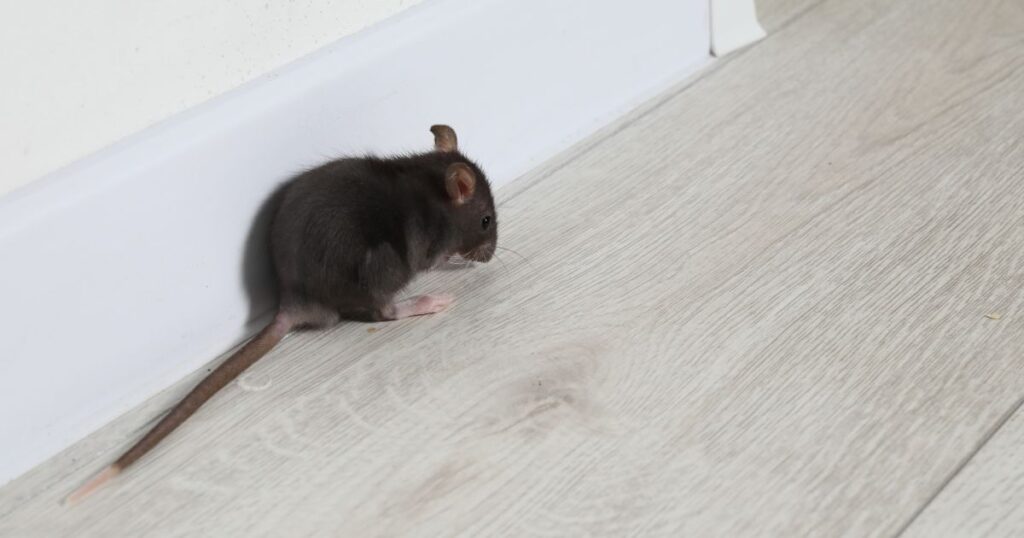
You clean up the droppings, set a few traps in the kitchen, and the scratching noises stop for a while. Then, a few weeks later, the problem returns. More droppings appear behind the pantry, fresh gnaw marks show up near skirting boards, and the sounds inside the walls start again at night.
This cycle is common in homes where only the visible indoor signs are treated while the real cause remains untouched. Rodents rarely disappear permanently unless the source of the infestation and the entry points are identified properly. Surface-level treatments may reduce activity temporarily, but they often fail to stop rodents from returning.
Understanding why this happens is essential for long-term rodent control and preventing repeated infestations.
Why Indoor Treatments Often Fail
Many homeowners focus only on the evidence they can see indoors. Traps are placed near droppings, poisoned bait is left in cupboards, and affected areas are cleaned thoroughly. While these steps may remove some rodents, they do not address how the pests entered the property in the first place.
Rodents are highly adaptable and can squeeze through surprisingly small gaps around pipes, vents, roofing, doors, and wall cavities. Even a hole small enough for a mouse’s head can become an access point.
If these openings remain accessible, new rodents simply replace the ones removed indoors. In many cases, the infestation is not actually centred inside the living space. Rodents may be nesting in roof voids, subfloors, garages, wall cavities, or outdoor areas close to the home while only entering indoor spaces to search for food and water. This is why indoor treatment alone often creates only short-term relief.
Rodents Follow Established Paths
Rats and mice are creatures of habit. Once they establish safe travel routes through a property, they continue using the same paths repeatedly. Grease marks along walls, droppings near skirting boards, and repeated sightings in the same locations usually indicate active rodent runways.
When indoor signs are cleaned without blocking access points, rodents simply continue using those routes. Even if traps remove several individuals, remaining rodents or new arrivals quickly re-establish activity. This is one reason infestations often seem to come back suddenly after appearing under control.
Hidden Nesting Areas Keep the Problem Active
Indoor signs rarely reveal the full extent of an infestation. Rodents prefer hidden nesting areas where they feel protected from disturbance. Roof spaces, insulation, storage rooms, wall cavities, and areas behind appliances commonly provide ideal shelter.
If these nesting sites remain active, removing visible signs indoors will not eliminate the colony itself.
A homeowner may stop seeing droppings temporarily, only for fresh evidence to reappear later because the breeding population was never fully removed. Rodents reproduce quickly under favourable conditions. A small, unnoticed population can expand rapidly within a few months. This is why recurring infestations often become progressively worse over time.
Food and Water Sources Continue to Attract Rodents
Even when traps are successful, rodents will continue returning if food and water remain easily available. Pet food left overnight, crumbs under appliances, leaking pipes, unsecured rubbish bins, and pantry items stored loosely all attract rodents indoors.
Water is particularly important. Small leaks under sinks, condensation near appliances, or poor drainage around the property can sustain rodent activity long-term.
Outdoor conditions also matter. Overgrown vegetation, stacked timber, cluttered sheds, and unsealed bins create safe harbourage close to the home. If the surrounding environment continues supporting rodent activity, new rodents may keep entering even after indoor treatment appears successful.
Poison Alone Can Create Ongoing Problems
Many people rely heavily on rodent bait or poison without addressing exclusion and sanitation. While bait may reduce numbers temporarily, it often fails to stop repeated infestations because the underlying access points remain open.
In some situations, poisoning rodents indoors creates additional problems. Rodents may die inside inaccessible wall cavities or roof spaces, causing unpleasant odours and hygiene concerns.
Improper bait use may also fail to eliminate the full colony, leaving surviving rodents to continue breeding. Long-term control requires more than simply reducing visible activity.
Why Professional Inspections Focus Beyond the Indoors
Effective rodent management involves identifying the full pattern of activity rather than treating isolated signs. Professionals typically inspect both indoor and outdoor areas to locate nesting sites, travel paths, entry points, food sources, and environmental conditions supporting the infestation.
Fresh droppings, gnaw marks, scratching noises, and recurring sightings often indicate active infestations rather than isolated rodent activity. The goal is not just to remove rodents already inside the home. The goal is to prevent future access entirely.
This usually involves sealing gaps around pipes, doors, roofing, vents, and utility lines while also improving sanitation and reducing harbourage areas outdoors. Without these broader steps, infestations frequently return.
Why Rodent Problems Often Increase Seasonally
Many infestations become worse during colder or wetter weather because rodents actively seek warmth, shelter, and food indoors. Heavy rain can flood outdoor burrows and drive rats into residential structures.
Seasonal changes also expose weaknesses in homes, including damaged seals, cracks, or gaps that rodents exploit. This means temporary indoor treatment may appear effective during one season, only for rodents to return when environmental pressures increase.
Conclusion
Recurring rodent infestations are rarely caused by failed traps alone. In most cases, the real issue is that only the visible indoor signs were treated while the source of the infestation remained active. Rodents continue returning when entry points stay open, nesting sites remain hidden, and food or water sources are still accessible.
Effective rodent control focuses on the entire environment, not just the symptoms appearing indoors. Long-term prevention requires identifying how rodents enter, where they nest, and what conditions are attracting them in the first place. Without addressing those underlying causes, the cycle of recurring infestations usually continues.
FAQs
1. Why do rodents keep coming back after traps are used?
Traps may remove some rodents, but new ones can enter if gaps, nesting areas, and food sources are not addressed.
2. Where do rodents usually nest inside homes?
Common nesting areas include roof voids, wall cavities, garages, subfloors, insulation, and areas behind appliances.
3. Can rodents enter through very small gaps?
Yes. Mice and rats can squeeze through surprisingly small openings around pipes, vents, doors, and roofing.
4. Do droppings always mean an active infestation?
Fresh droppings appearing repeatedly usually indicate ongoing rodent activity rather than old contamination.
5. Why is outdoor treatment important for rodent problems?
Outdoor harbourage, food sources, and entry points often support infestations that later spread indoors.
6. Is poison enough to solve a rodent infestation?
No. Poison may reduce numbers temporarily, but long-term control requires sealing entry points and removing attractants.