

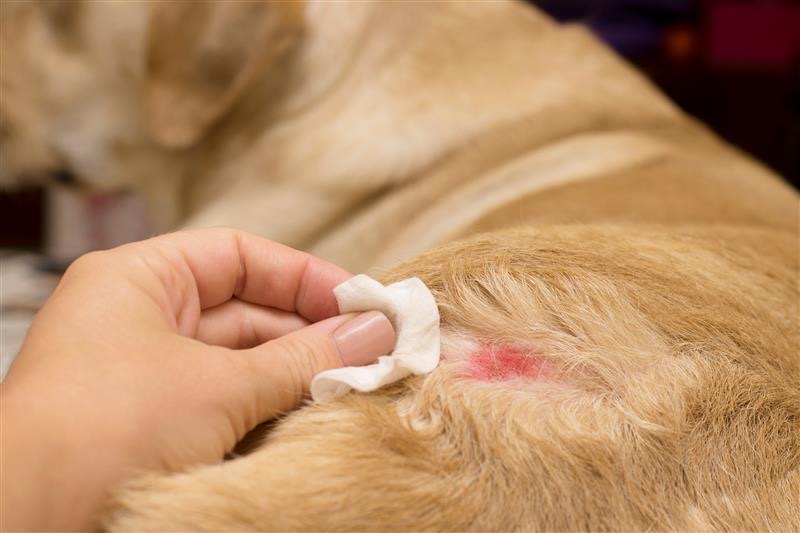
Dogs naturally scratch from time to time, but excessive itching often signals an underlying problem that should not be ignored. Constant scratching, licking, biting at the skin, rubbing against furniture, or chewing paws can quickly affect a dog’s comfort, sleep, mood, and overall wellbeing. If left untreated, persistent itching may also lead to skin damage, infections, hair loss, or ongoing discomfort that becomes increasingly difficult to manage.
Understanding what causes itching in dogs is important because treatment depends heavily on identifying the real source of irritation rather than simply trying to stop the scratching itself.
Allergies Are One Of The Most Common Causes
Many dogs develop allergies that affect the skin and create ongoing itching. These allergies may be linked to food ingredients, pollen, grass, dust mites, mould, or environmental triggers. Some dogs experience seasonal flare ups while others struggle with year round irritation.
Allergic reactions often appear around the paws, ears, stomach, face, or underarms. Repeated licking and chewing in these areas may gradually worsen inflammation and discomfort.
Identifying allergy triggers sometimes requires dietary adjustments, environmental management, or veterinary testing depending on the severity of symptoms.
Fleas And Parasites Can Trigger Severe Itching
Even a small number of fleas can cause intense irritation in sensitive dogs. Flea allergy dermatitis is especially common and may lead to severe scratching around the tail, lower back, and hind legs.
Other parasites such as mites or ticks may also contribute to skin irritation and discomfort. Some infestations are difficult to identify without veterinary examination because symptoms can resemble allergies or skin infections.
Regular parasite prevention remains one of the most important steps in protecting a dog’s skin health.
Skin Infections Often Develop From Scratching
Continuous scratching damages the skin barrier, allowing bacteria or yeast to grow more easily. Once infection develops, itching often becomes even worse, creating an uncomfortable cycle that continues until treatment begins.
Signs of infection may include redness, unpleasant odour, scabbing, thickened skin, or discharge from affected areas.
Prompt treatment helps reduce discomfort and prevents more serious skin complications from developing over time.
Dry Skin And Environmental Conditions
Some dogs experience dry irritated skin due to weather changes, excessive bathing, poor nutrition, or low humidity environments. Dry skin may cause flaking, mild itching, or dull coat quality.
Hydration, balanced nutrition, and gentle grooming products can sometimes improve skin condition significantly. However, persistent dryness should still be assessed properly to rule out underlying medical concerns.
Skin health is often closely connected to overall health and diet quality.
Food Sensitivities May Affect The Skin
Certain dogs react poorly to specific ingredients within their diet. Food sensitivities may contribute to chronic itching, digestive upset, ear infections, or recurring skin irritation.
Common triggers can include proteins, grains, dairy products, or artificial additives depending on the individual dog.
Diet trials supervised by a veterinarian are sometimes necessary to identify which ingredients may be contributing to symptoms.
Why Comfort Management Is Important During Treatment
While treating the underlying cause remains essential, managing discomfort is equally important for a dog’s wellbeing. Excessive itching can cause stress, sleep disruption, anxiety, and physical soreness from repeated scratching.
Veterinarians may recommend medications, medicated shampoos, dietary changes, or Safe and effective pain relief for dogs to help reduce discomfort while longer term treatment plans begin working.
Comfort support helps dogs recover more calmly and comfortably during treatment.
Regular Grooming And Skin Monitoring Helps Prevention
Routine grooming allows owners to identify early skin changes before irritation becomes severe. Brushing, bathing with suitable products, checking for parasites, and monitoring ears and paws regularly can all support healthier skin maintenance.
Dogs with sensitive skin may benefit from more structured skin care routines recommended by veterinary professionals.
Early attention usually prevents more complicated problems later.
Helpful Related Pet Health Research
Dog owners also benefit from reviewing common canine skin allergy symptoms and natural ways to improve coat and skin health in dogs because these related topics help strengthen long term skin care awareness and prevention strategies.
Better knowledge often improves early treatment outcomes.
Managing Itching In Dogs
Persistent itching is more than a minor annoyance for dogs. It often reflects underlying health or skin issues that require proper attention and treatment. Allergies, parasites, infections, dry skin, and dietary sensitivities are among the most common causes, but accurate diagnosis remains important for effective care.
Early treatment helps reduce discomfort, protect skin health, and prevent long term complications caused by constant scratching or irritation. With the right combination of veterinary care, preventative management, and comfort support, many dogs experience significant improvement and return to a happier, healthier daily routine.
